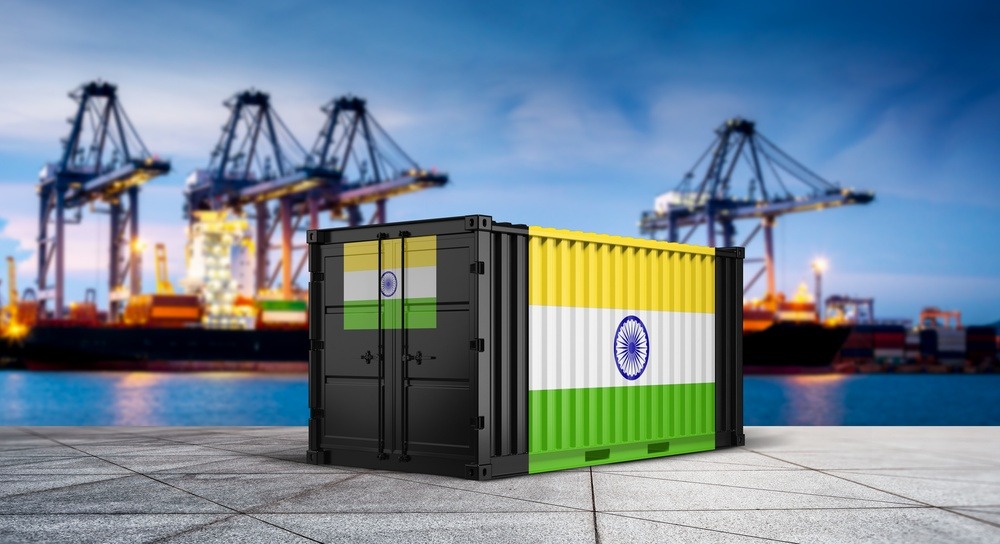
India has set a bold objective to reach a total export value of $2 trillion by the fiscal year 2030-31. This ambitious target is split equally, aiming for $1 trillion in merchandise exports and another $1 trillion in services exports. To reach this milestone, Union Commerce and Industry Minister Piyush Goyal has emphasized a structured, data-driven approach. The government has introduced an Export Monitoring Framework that assigns specific, actionable goals across key sectors like engineering goods, electronics, textiles, pharmaceuticals, and chemicals. By implementing an IT-enabled real-time tracking system, the government intends to resolve exporter grievances promptly and ensure high-level inter-ministerial coordination.
A core pillar of this strategy involves elevating the contribution of Micro, Small, and Medium Enterprises (MSMEs) and the agricultural sector. Minister Goyal has directed officials to expand market access support beyond traditional councils, reaching more field-level organizations to broaden the export base. Furthermore, the government is prioritizing the modernization of certification systems, logistics, and overseas warehousing to ensure Indian products remain globally competitive.
The strategy also places significant weight on creating a unified global identity under the “Brand India” initiative. This includes a rolling three-year calendar for trade fairs and buyer-seller meets to provide Indian exporters with better planning predictability. With total exports reaching a record $860.1 billion in FY26, the government is committed to sustaining this momentum through strategic reforms and digital trade finance initiatives.
FAQs [Frequently Asked Questions]
1. What is the composition of the $2 trillion export target?
The target consists of $1 trillion in merchandise exports and $1 trillion in services exports, aiming for a balanced growth across both segments by 2030-31.
2. Why is the government focusing on MSMEs and agriculture?
These sectors are vital for inclusive growth and job creation; strengthening them enhances India’s global competitiveness and diversifies the national export base beyond large-scale industries.
3. How will the government monitor progress toward this goal?
The Department of Commerce has implemented a structured Export Monitoring Framework and an IT-enabled system to track sector-specific outcomes and resolve exporter issues in real-time.