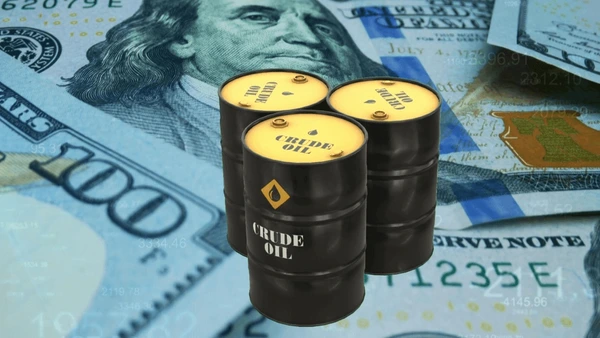
Global and domestic equity markets rallied Wednesday after crude oil prices fell below $100 a barrel, easing inflation concerns and improving investor sentiment. Benchmark indices rose more than 1% across major exchanges as energy-linked risks softened.
Brent crude slipped under the $100 mark in Asian trading, trading around $98–$99 per barrel after a week of declines. The drop followed weaker-than-expected demand data from major economies and increased supply signals from oil producers. U.S. West Texas Intermediate (WTI) also eased, trading near $95 per barrel. Lower oil prices reduce fuel and logistics costs, which can help corporate margins and temper headline inflation.
In India, the BSE Sensex jumped about 1.2% and the NSE Nifty50 gained roughly 1.1% by mid-session. Buying was broad-based, led by financials, consumer discretionary, and industrial stocks. Bank shares rallied on prospects of stable inflation supporting loan growth, while consumer companies saw gains on the expectation of reduced input and transport costs.
Global markets echoed the move: the S&P 500 and Euro Stoxx 50 advanced over 1% in early trade, supported by easing energy worries and positive macro data. Investors rotated back into cyclicals and rate-sensitive sectors as the near-term inflation outlook improved, lowering the odds of near-term central bank tightening.
Analysts cautioned that the oil fall may be temporary, influenced by short-term demand data and geopolitical noise. They advised watching inventory reports, OPEC+ statements, and upcoming economic indicators for confirmation. Short-term traders may book profits if crude rebounds, while long-term investors will focus on inflation trends and corporate earnings.
Overall market volumes rose modestly, suggesting cautious optimism. If oil sustains below $100, markets could see further upside as corporate margins and consumer spending prospects improve, but volatility remains given uncertain global growth and supply dynamics.
FAQs [Frequently Asked Questions]
1. Why did markets rise after oil fell?
Lower oil eases inflation and input costs, improving profit outlook and reducing the chance of aggressive rate hikes, which supports equities and risk assets.
2. How did Indian indices perform?
The BSE Sensex rose ~1.2% and NSE Nifty50 climbed ~1.1% by mid-session, led by banks, consumer discretionary, and industrials.
3. Will this rally continue?
It may persist if oil stays low and economic data improves, but volatility remains from geopolitics, OPEC+ moves, and growth indicators.