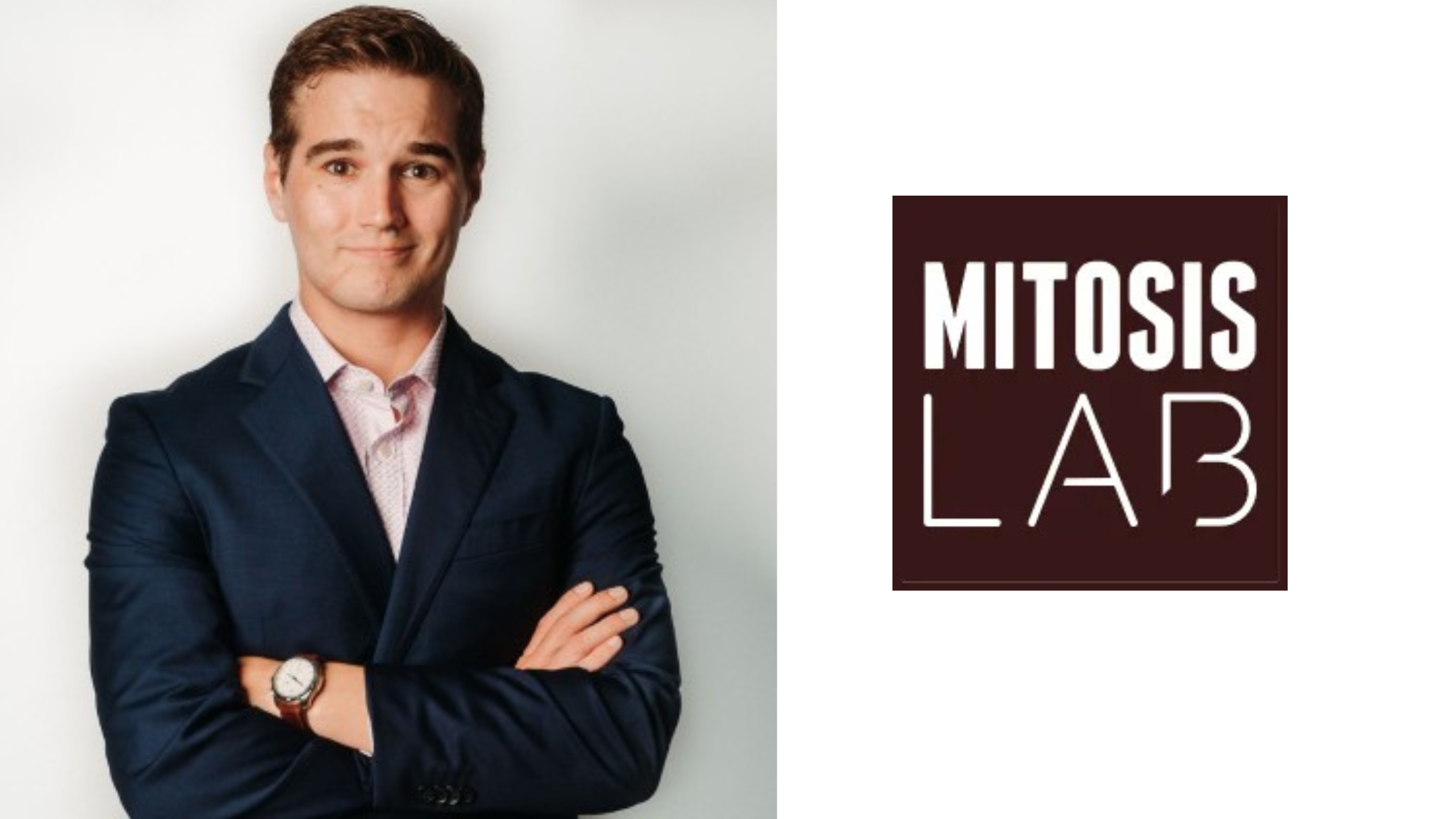
An Indian-origin software engineer has left a high-paying role at Meta to build his own artificial intelligence company. Prakshal Jain, who was earning about $300,000 a year (nearly ₹2.89 crore), announced he is co-founding Mitosis Labs with Alex Morris after seven months of working in stealth mode.
Jain, a New York-based engineer, spent nearly a decade at Meta, working on frontend experiences for extended reality (XR) and web products. He said he quit because he believes AI will fundamentally change how people use computers, and he wants to be part of building that future.
Mitosis Labs is focused on “privacy-first” AI tools. The startup aims to create systems that can handle routine tasks while giving users full control over their personal data. Jain described three core pillars: a reliable and secure intelligence layer, a simple interface even for non-tech users, and a wider AI community beyond Silicon Valley.
The company is already developing three products: Mitosis Cortex, Yappy, and UFA & Wikipedia. Jain said the intelligence layer has already achieved state-of-the-art benchmark results, though detailed technical data has not been disclosed publicly.
The announcement has drawn attention as more experienced engineers leave Big Tech to launch AI startups. It reflects a broader trend where talent is moving from stable, high-salary jobs to early-stage ventures betting on the next wave of AI innovation.
FAQs [Frequently Asked Questions]
1. Who is Prakshal Jain?
Prakshal Jain is an Indian-origin software engineer who worked at Meta for nearly a decade before quitting to co-found privacy-focused AI startup Mitosis Labs.
2. What is Mitosis Labs building?
Mitosis Labs is building privacy-first AI tools, including products like Mitosis Cortex, Yappy, and UFA & Wikipedia, to automate tasks while keeping user data under user control.
3. Why did Jain leave Meta?
Jain left Meta’s $300,000-a-year job to focus on AI’s future, believing it will reshape how people interact with computers and wanting to build user-controlled, secure AI systems.