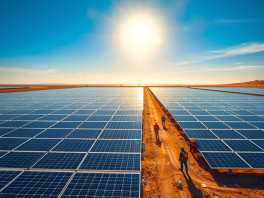
Zambia has teamed up with the United Arab Emirates (UAE) to build a 300-megawatt (MW) solar power plant. This major project aims to fix Zambia’s energy problems and speed up economic growth. A high-level UAE team visited Zambia recently to sign the deal with ZESCO, the state power company, and Masdar, a top UAE renewable energy firm. The plant marks the first step in a plan for up to 2,000 MW of solar power nationwide.
Zambia depends mostly on hydropower for electricity, but droughts and low rainfall often cause blackouts. These issues hurt homes, mines, farms, and factories, slowing the economy. The new solar plant will add reliable power to the mix, cutting risks from weather changes. Costing around $270 million, it is a joint venture where Zambia owns part of the project, not just a loan. This setup lets the country gain from power sales and jobs. Groundbreaking is set for mid-February 2026, with completion in six to eight months.
The project will create many jobs during building and upkeep, training locals in green energy skills. It supports Zambia’s mining sector, which drives 70% of exports like copper, by ensuring steady electricity. Factories and farms will grow too, boosting GDP. President Hakainde Hichilema praised the deal, saying it shows trust in Zambia’s business climate and push for clean energy. This fits global goals to fight climate change while building energy security. The solar push helps Zambia attract more foreign cash and cut fossil fuel use.
In total, the 300 MW plant could power over 200,000 homes yearly, based on average needs. It highlights UAE’s role in Africa’s green shift, with Masdar’s know-how speeding things up. Zambia now looks set for stable power and faster growth ahead.
FAQs [Frequently Asked Questions]
1. What is the solar project’s capacity and cost?
The 300 MW plant costs about $270 million. It is a joint venture with UAE’s Masdar and ZESCO, giving Zambia equity. First phase of up to 2,000 MW plan.
2. Why does Zambia need this solar project?
Droughts disrupt hydropower, causing blackouts that harm mining and industry. Solar adds reliable power, diversifies sources, and fights climate risks for steady supply.
3. When will construction start and finish?
Groundbreaking in mid-February 2026; full operations in 6-8 months. Quick build uses UAE expertise for fast energy gains.
4. What economic benefits does it bring?
Creates jobs, skills in renewables, powers mines (70% exports), farms, factories. Boosts GDP, attracts investment, improves power for 200,000+ homes.