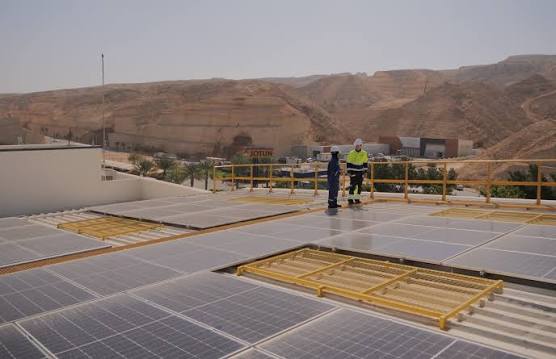
United Solar has completed $1.6 billion in funding for its polysilicon plant in Oman, with IFC playing a key role in the financing package. The project is set to strengthen the solar supply chain, create jobs, and support Oman’s push to diversify away from oil. United Solar Polysilicon has secured full funding for its large polysilicon plant in Sohar Freezone, Oman. The company said the project has now reached financial close, with total investment for the facility at $1.6 billion.
The International Finance Corporation, a member of the World Bank Group, backed the deal with up to $480 million in investment and mobilized financing. According to IFC, the project will help build the Middle East’s largest polysilicon facility and support a planned output of 100,000 metric tons a year.
Polysilicon is an important raw material used to make solar panels. At full capacity, the Oman plant is expected to support production of about 40 gigawatts of solar modules each year, enough to power up to 12 million homes.
The plant is also expected to create nearly 3,000 direct and indirect jobs. IFC said the project will help attract foreign investment, expand clean energy manufacturing, and strengthen Oman’s economic diversification plans.
United Solar said the financing reflects strong support from local and international partners, including the Oman Investment Authority, which is the company’s largest shareholder. The project is part of Oman’s wider effort to build local industrial capacity in renewable energy supply chains. For Oman, the plant is more than a factory. It is a strategic clean energy project that could help position the country as a regional hub for solar manufacturing.
FAQs [Frequently Asked Questions]
1. What did United Solar complete?
United Solar completed full funding for its $1.6 billion polysilicon plant in Oman, allowing the project to move ahead with financial close.
2. Why is IFC’s investment important?
IFC’s support adds global credibility and financing strength, helping fund a major solar manufacturing project that supports jobs and energy diversification.
3. What will the plant produce?
The plant will produce polysilicon, a key material for solar panels, with annual capacity planned at 100,000 metric tons.