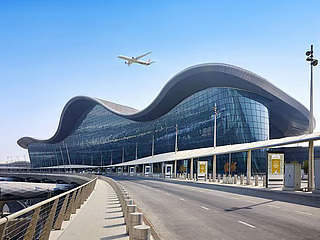
The Gulf Cooperation Council (GCC) has chosen the United Arab Emirates (UAE) as the headquarters for the newly established GCC Civil Aviation Authority, a unified body to harmonize aviation regulations across the six member states: UAE, Saudi Arabia, Qatar, Kuwait, Oman, and Bahrain. Approved at the 46th GCC Summit in Bahrain on December 3, 2025, this decision aims to boost safety, security, and operational efficiency amid rapid regional aviation growth. UAE’s General Civil Aviation Authority (GCAA) will support the entity in aligning standards for trade, tourism, and transport.
GCC aviation is booming, with the infrastructure market valued at USD 135 billion in 2025 and projected to hit USD 164 billion by 2030 at a 3.94% CAGR. Passenger traffic surges, like Saudi Arabia’s 128 million in 2024 (up 15% YoY), underscore the need for coordination. UAE’s sector contributes 18.2% to GDP (US$92 billion impact, 992,000 jobs), handling 1 million tonnes of cargo in 2023. The authority will enhance competitiveness as carriers expand globally and adopt technologies like sustainable fuels.
GCC Civil Aviation Minister Abdulla bin Touq Al Marri called it a “pivotal milestone” for cooperation, while GCAA Director General Saif Al Suwaidi highlighted UAE’s regulatory expertise. This move strengthens Gulf influence in international forums and supports projects like the GCC Railway by 2026. As the world’s second-fastest-growing aviation market, unified oversight promises efficiency gains.
FAQs [Frequently Asked Questions]
1. Why was UAE chosen for the GCC Civil Aviation Authority HQ?
UAE’s selection reflects confidence in its advanced regulatory capabilities and leadership in aviation, as noted by GCAA officials. It reinforces UAE’s global hub status, supporting harmonized standards across GCC states for safety and growth.
2. What benefits will the new authority bring to GCC aviation?
It will align regulations, enhance safety oversight, boost efficiency, and address tech changes, strengthening competitiveness amid 4% annual passenger growth to 2030. This aids economic integration in tourism and trade.
3. How significant is aviation to GCC economies?
Aviation drives massive growth: UAE’s sector adds US$92B to GDP (18.2%), Saudi handles 128M passengers yearly. Infrastructure market to reach USD 164B by 2030, fueling jobs and cargo.