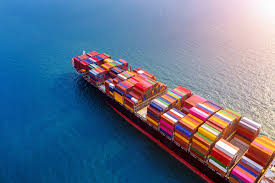
India’s government is ramping up efforts to strengthen its exports by focusing on 50 countries, especially in regions like West Asia and Africa. This plan comes at a time when the United States has sharply increased tariffs on Indian goods, threatening key sectors such as textiles, gems, jewellery, marine products, leather, and steel. By targeting new markets, India wants to reduce its risks of depending too much on just one country, making its export strategy more resilient and versatile.
How the Government Plans to Make Indian Exports Stronger
The Commerce Ministry is working under a four-pillar approach: export diversification, import substitution, boosting export competitiveness, and using free trade agreements more actively. Officials are studying each product and market, aiming to find where Indian goods have the best chance to compete. The export plan is product-by-product and country-by-country, looking for emerging demand—especially in West Asia and Africa—while giving special help to sectors hit hardest by US tariffs.
Export promotion bodies are supporting businesses with incentives, new schemes, and better market access. Banks are watching trade closely as industries adjust to shifting markets. The government hopes these moves will cushion the blow from the US tariffs and set up long-term stability for Indian exporters.
Challenges and Opportunities for Indian Businesses
Finding trade partners in 50 new countries isn’t easy. Indian companies will face new competitors, especially from China and other established players. There are concerns about rerouting shipments through low-tariff countries, which can complicate global supply chains. However, by acting quickly, Indian businesses can tap into fresh demand and grow in regions where interest in Indian goods is rising.