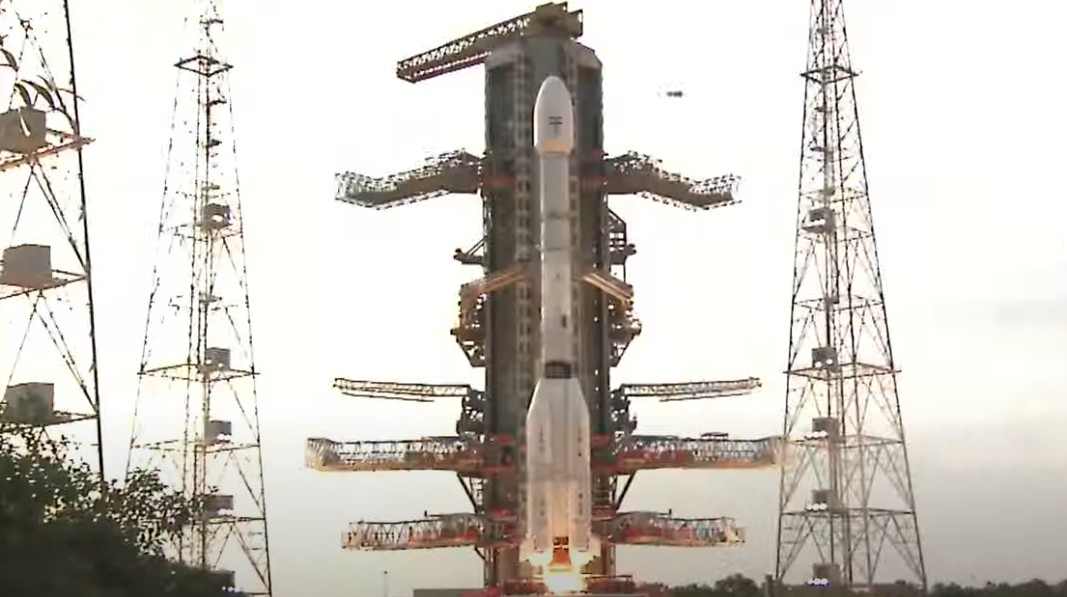
On July 30, 2025, India and the United States marked a major milestone in space cooperation with the successful launch of the NISAR satellite—a joint mission between ISRO (Indian Space Research Organisation) and NASA. This satellite was lifted into orbit from Sriharikota using India’s GSLV-F16 rocket, carrying advanced radar instruments provided by both agencies. NISAR is the first radar imaging satellite globally to use two radar frequencies (NASA’s L-band and ISRO’s S-band), making it incredibly sensitive to tiny changes on Earth’s surface—down to as little as a centimeter.
How NISAR Tracks Climate and Disaster Risks
NISAR’s unique radar technology allows it to observe land, ice, oceans, and forests regardless of weather conditions or daylight. Orbiting Earth every 12 days, it can scan almost the entire globe, mapping and recording the smallest shifts in terrain, ice sheets, and vegetation. This ability is vital for tracking glaciers, monitoring earthquakes, landslides, floods, and forest fires—threats made worse by climate change. The data from NISAR will help scientists and emergency agencies worldwide predict natural disasters and manage their effects more effectively. The information will also be freely available, supporting environmental and agricultural planning, infrastructure safety, and disaster response for communities everywhere.
Symbol of International Partnership and Future Goals
The $1.5 billion NISAR mission is more than a technical achievement—it’s a symbol of the growing partnership between India and the United States in science and technology. By combining the expertise of both nations, the mission sets a global example of cooperation for the greater good. Indian leaders and space experts see the project as a major step for India’s ambitions in space and disaster management. NISAR is just one part of India’s expanding space program, which also includes recent lunar and solar missions and plans for human spaceflight in the years ahead.