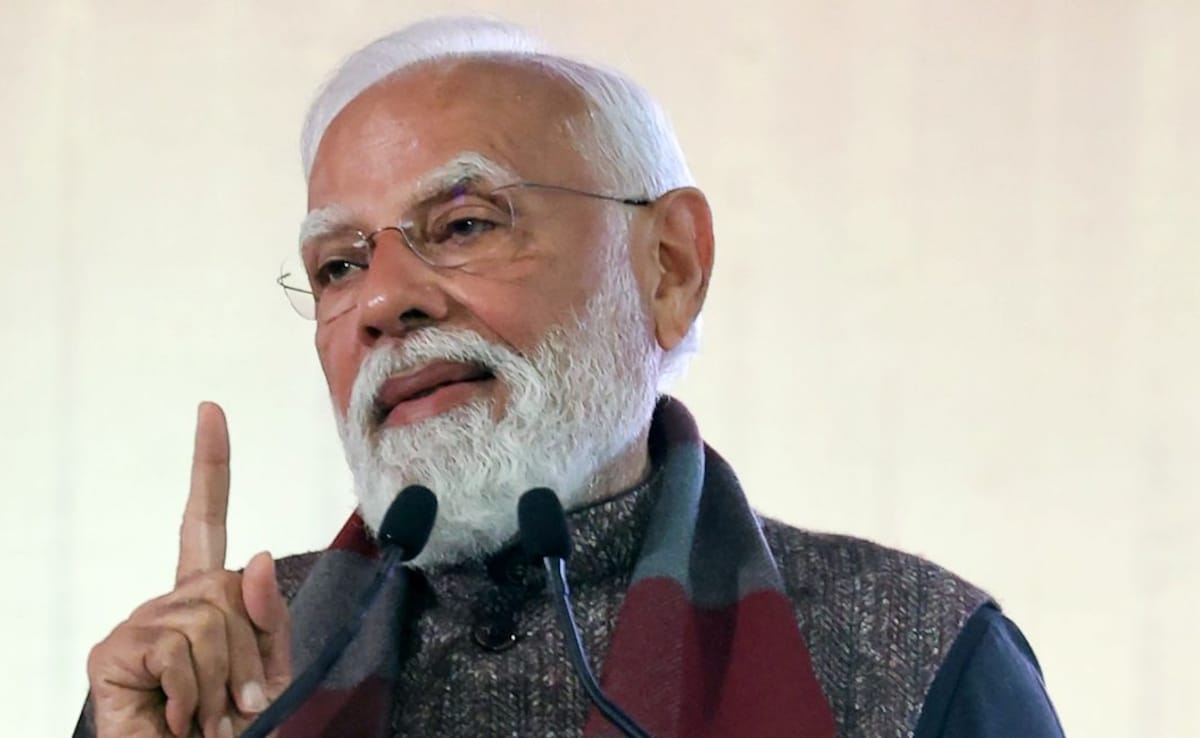
Health experts across India have welcomed Prime Minister Narendra Modi’s recent call to take urgent action against antibiotic resistance—a growing global health threat. Speaking at a national health summit, the Prime Minister warned that the misuse and overuse of antibiotics could make many infections untreatable in the future.
According to the World Health Organization (WHO), antimicrobial resistance (AMR) causes nearly 1.3 million deaths each year worldwide, and the number may rise sharply by 2050 if not controlled. In India, studies by the Indian Council of Medical Research (ICMR) show that over 56% of common bacterial infections are resistant to at least one major antibiotic. This affects treatments for pneumonia, tuberculosis, and urinary tract infections.
Experts praised PM Modi’s emphasis on “One Health,” a coordinated approach linking human, animal, and environmental health. They said the initiative to curb antibiotic misuse in hospitals, farms, and households reflects long-term public health planning.
Dr. Soumya Swaminathan, former WHO chief scientist, noted that the Prime Minister’s intervention could strengthen India’s National Action Plan on AMR, launched in 2017, and improve surveillance, awareness, and regulation of antibiotic sales.
Health activists also urged citizens to avoid self-medication and complete prescribed antibiotic courses. The government is expected to promote rational use of antibiotics through digital health campaigns and updated prescription guidelines in 2026.
FAQs [Frequently Asked Questions]
1. What is antibiotic resistance?
Antibiotic resistance happens when bacteria change and become stronger, making antibiotics less effective. This makes infections harder to treat, leading to longer illnesses, higher medical costs, and increased death risk.
2. Why is antibiotic resistance a concern in India?
India has one of the world’s highest antibiotic usage rates. Misuse, over-the-counter sales, and unregulated drug use in livestock have made many bacteria resistant, complicating routine treatments and surgeries.
3. What steps has the government taken so far?
The government launched the National Action Plan on AMR in 2017, focusing on awareness, infection control, surveillance, and rational drug use. New regulations are being updated to control antibiotic sales without prescriptions.
4. How can citizens help reduce antibiotic resistance?
People should take antibiotics only under medical advice, complete prescribed doses, and avoid sharing medicines. Maintaining hygiene, safe food habits, and vaccination also help reduce infections that need antibiotic treatment.