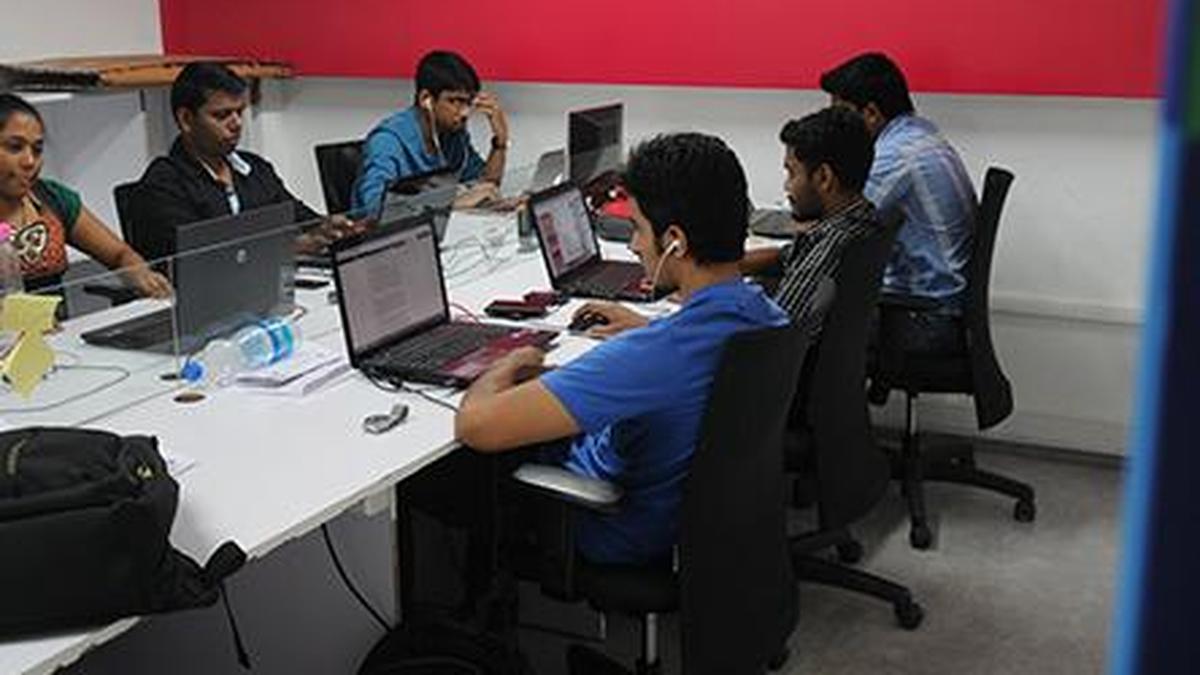
In 2025, Global Capability Centers (GCCs) are playing a key role in keeping India’s technology job market active, even as traditional IT services companies pause hiring due to global uncertainty.
While large IT firms such as TCS, Infosys, and Wipro are slowing recruitment, GCCs from global brands like Google, JPMorgan, and Samsung are expanding their tech operations in India. According to Nasscom, India now hosts over 1,900 GCCs, employing nearly 2 million professionals. These centers focus on product development, AI, cloud engineering, cybersecurity, and data analytics — areas in high demand globally.
More than 35% of GCCs plan to expand their workforce in 2025, particularly in Bengaluru, Hyderabad, Pune, and Gurugram. New entrants from the US, Europe, and the Middle East are also setting up innovation centers in India to reduce costs and tap into local talent.
Salaries in top GCCs have remained stable, increasing by 7–10%, while IT service firms report minimal hikes. Hiring in mid-level engineering and data roles is growing, with demand particularly strong for AI engineers, full-stack developers, and product managers.
Industry experts say that India’s strong IT infrastructure, skilled workforce, and cost efficiency continue to attract global investments. As GCCs evolve beyond back-office support to strategic innovation hubs, they are becoming crucial in sustaining India’s tech job market during the IT services slowdown.
FAQs [Frequently Asked Questions]
1. What are GCCs?
GCCs are Global Capability Centers where multinational companies build technology, research, or service teams in India to support global business operations efficiently.
2. How many GCCs are in India now?
India has around 1,900 GCCs that collectively employ nearly 2 million tech professionals.
3. Which cities lead in GCC expansion?
Bengaluru, Hyderabad, Pune, and Gurugram are currently India’s top destinations for new and expanding GCC setups.