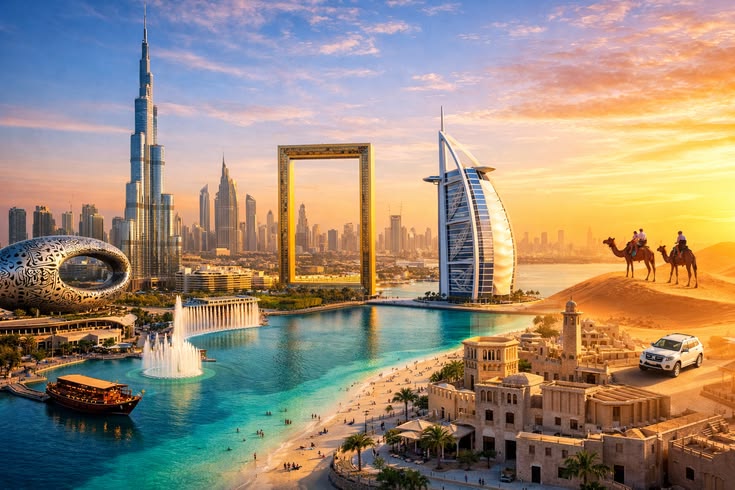
Dubai has rolled out a fresh set of economic measures aimed at boosting business resilience and improving investor sentiment in 2026. The moves come as global markets remain volatile and regional tensions continue to affect trade and investment flows. The emirate has announced targeted support for key sectors such as tourism, trade, logistics and small‑ and medium‑sized enterprises (SMEs). These include easier access to financing, faster government approvals, and streamlined rules for setting up and operating companies, which authorities say will cut costs and improve cash‑flow for local firms.
Dubai Chamber of Commerce has also intensified direct talks with business groups, holding over a dozen meetings with more than 100 investors and company leaders in recent weeks to address immediate challenges. Such dialogue is designed to keep supply chains running smoothly and help businesses adapt quickly to global shocks.
Economists and ratings agencies point out that the UAE’s strong banking liquidity, ongoing infrastructure projects and proactive policy steps are helping preserve investor trust. Dubai’s latest package is seen as reinforcing the city’s reputation as a stable, diversified hub for trade, finance and innovation, with many foreign investors continuing to place multi‑billion‑dollar bets on its real‑estate and tech sectors.
FAQs [Frequently Asked Questions]
Q1: What are Dubai’s new economic measures?
Dubai is simplifying rules, improving financing access and supporting tourism, trade, logistics and SMEs to reduce costs, speed up operations and strengthen business resilience.
Q2: How do the measures help investors?
Clearer regulations, faster approvals and sector support make it easier and safer to invest in Dubai, boosting confidence amid global uncertainty.
Q3: Who benefits most from these changes?
Local SMEs, tourism and trade companies, and foreign investors gain from lower entry barriers, smoother operations and better access to capital and markets.