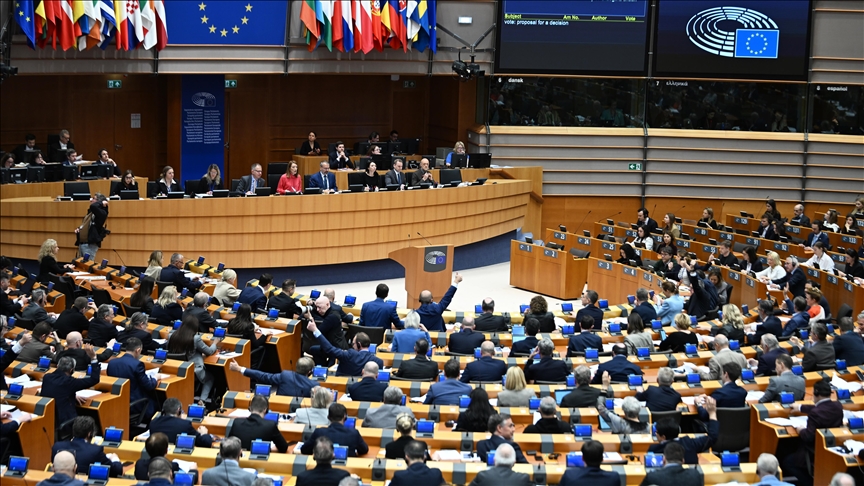
The European Union has announced a further €2 million (about $2.3 million) in humanitarian aid for Cuba, expanding its support as the island faces worsening economic and energy problems. This new funding will help provide food, safe drinking water, and basic supplies to people in need through UN and international humanitarian partners on the ground.
Cuba has been hit by frequent blackouts and fuel shortages after a sharp drop in imported oil, which has disrupted power, transport, and healthcare services. The EU says the crisis has deepened poverty and made daily life harder for millions in a country of about 10 million people. The bloc stressed that this aid is not political, but is aimed at protecting vulnerable groups, especially children and older people.
The $2.3 million package is part of a broader EU effort to support Latin America and the Caribbean, where the union has pledged more than €123 million in humanitarian aid for 2026, including help for Cuba and the Dominican Republic. European officials said the EU has stood by Cubans before, including after Hurricane Melissa, and will continue to coordinate with local partners to deliver aid quickly and fairly.
FAQs [Frequently Asked Questions]
1. How much aid is the EU sending to Cuba?
The EU is providing an additional €2 million (around $2.3 million) in humanitarian aid for Cuba to help people hit by the energy and economic crisis.
2. What will the aid be used for?
The money will support food, safe drinking water, and basic humanitarian supplies for vulnerable people in Cuba through UN and international aid agencies.
3. Why is Cuba facing a humanitarian crisis?
Cuba is suffering from fuel shortages, power cuts, and an economic slowdown, which have disrupted electricity, transport, and medical services for millions.
(*Image Source- Anadolu Ajansi)