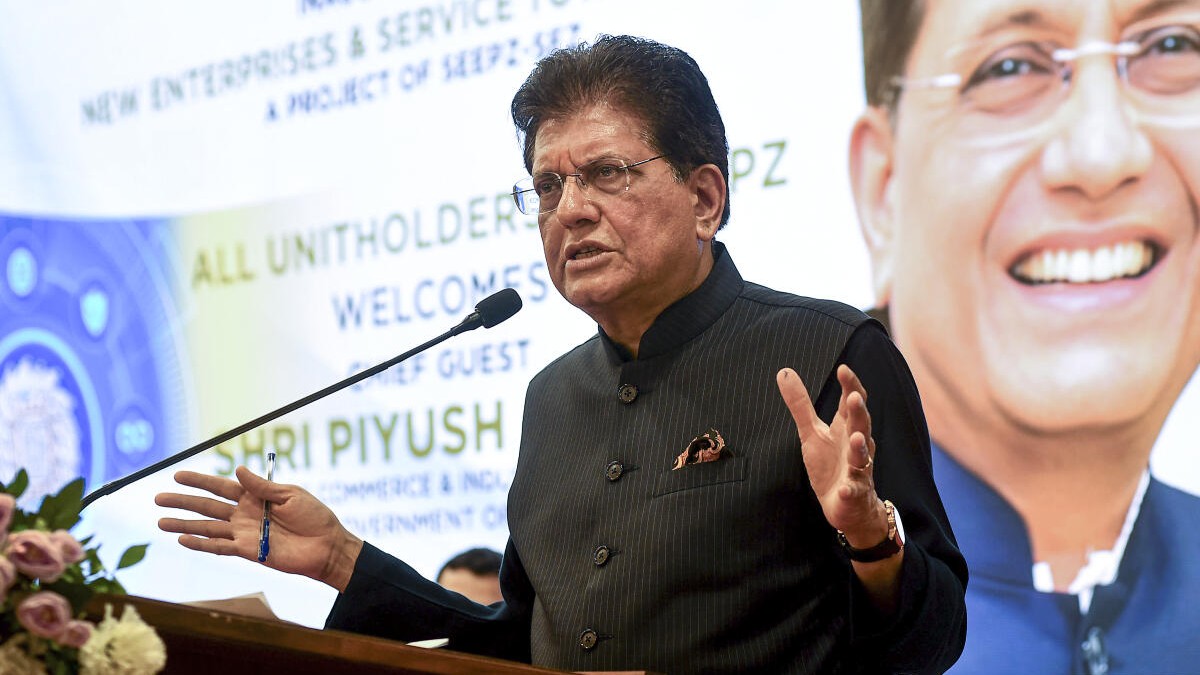
India’s marine exports have surged by 20% in recent months, as announced by Union Commerce Minister Piyush Goyal. This growth highlights the sector’s resilience amid global challenges, driven by rising demand for seafood products worldwide. Frozen shrimp leads the pack, boosting India’s position as a top exporter.
Marine exports reached approximately $8 billion in FY 2024-25, up from previous years, with a sharp 20% rise in the last few months. Key markets include the US, China, EU, and Southeast Asia, where Indian shrimp, fish, and squid are in high demand. Andhra Pradesh and Gujarat contribute over 60% of production, supported by modern processing units and sustainable fishing practices.
Government initiatives like the Pradhan Mantri Matsya Sampada Yojana (PMMSY) have invested over Rs. 20,000 crore to modernize infrastructure, enhance cold chains, and promote exports. Certifications for traceability and eco-friendly farming have opened premium markets. Despite challenges like high freight costs and Red Sea disruptions, exports grew 12% overall in FY25, with shrimp volumes up 15%.
This boom supports 4 million fisherfolk and creates jobs in processing and logistics. Piyush Goyal emphasized value addition through ready-to-eat products and blockchain tracking to sustain momentum. Projections indicate $10 billion by FY26, aligning with India’s $2 trillion export target by 2030.
FAQs [Frequently Asked Questions]
1. What is the 20% growth referring to in marine exports?
It indicates a 20% increase in marine product exports over the past few months in FY 2024-25, mainly driven by frozen shrimp shipments to major markets like the US and EU, surpassing $8 billion annually.
2. Which states lead India’s marine exports?
Andhra Pradesh, Gujarat, Tamil Nadu, and Kerala dominate, accounting for over 70% of production. Andhra Pradesh alone contributes 40%, thanks to advanced shrimp farming and processing facilities along its coast.
3. How is the government supporting marine exports?
Through PMMSY with Rs. 20,000 crore investment for infrastructure, cold chains, and training. Export incentives, quality certifications, and market promotion help fisherfolk reach global standards and new buyers.
4. What are the main challenges and outlook?
Challenges include logistics costs and weather impacts, but outlook is bright with $10 billion target by FY26. Diversification into tuna, sustainable practices, and tech like blockchain will drive sustained 15-20% annual growth.