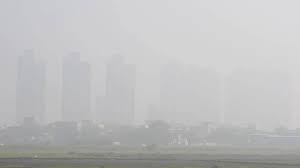
The Haryana government has entered into a major partnership with the World Bank to tackle rising pollution levels across the state. The collaboration aims to improve air and water quality through modern technology, green infrastructure, and cleaner public transport systems.
The agreement, worth around $200 million (₹1,650 crore), focuses on reducing industrial emissions, promoting electric mobility, and improving waste management in urban areas. A key component of the project is the installation of real-time air monitoring systems in major cities such as Gurugram, Faridabad, and Panipat. These will help authorities track pollution sources and plan timely interventions.
The partnership will also promote sustainable agricultural practices to reduce stubble burning — a major cause of poor air quality in northern India. Farmers will receive incentives to adopt crop residue management equipment and environment-friendly fertilizers. In addition, the project includes plans for water treatment plants along major rivers such as the Yamuna to reduce industrial discharge and ensure cleaner water for both irrigation and consumption.
According to Haryana Chief Minister Manohar Lal Khattar, this collaboration marks a “turning point” in the state’s environmental policy. He said that the World Bank’s technical assistance will help Haryana align with India’s broader National Clean Air Programme (NCAP), which targets a 30% reduction in particulate matter levels by 2026.
Officials have stated that the project’s implementation phase will begin in early 2026, and the first impact report is expected by 2028. The initiative is expected to create green jobs while improving public health and agricultural productivity across Haryana.
FAQs [Frequently Asked Questions]
Q1: What is the main goal of Haryana’s partnership with the World Bank?
The main goal is to reduce pollution levels by improving air and water quality through clean technology, better waste management, and sustainable agricultural practices across Haryana.
Q2: How much funding is involved in this project?
The agreement is valued at around $200 million (₹1,650 crore), covering the setup of monitoring systems, clean transport initiatives, and pollution control programs statewide.
Q3: When will the World Bank–Haryana project start showing results?
Implementation will begin in 2026, with the first progress report expected by 2028, focusing on measurable improvements in air and water quality across key districts.