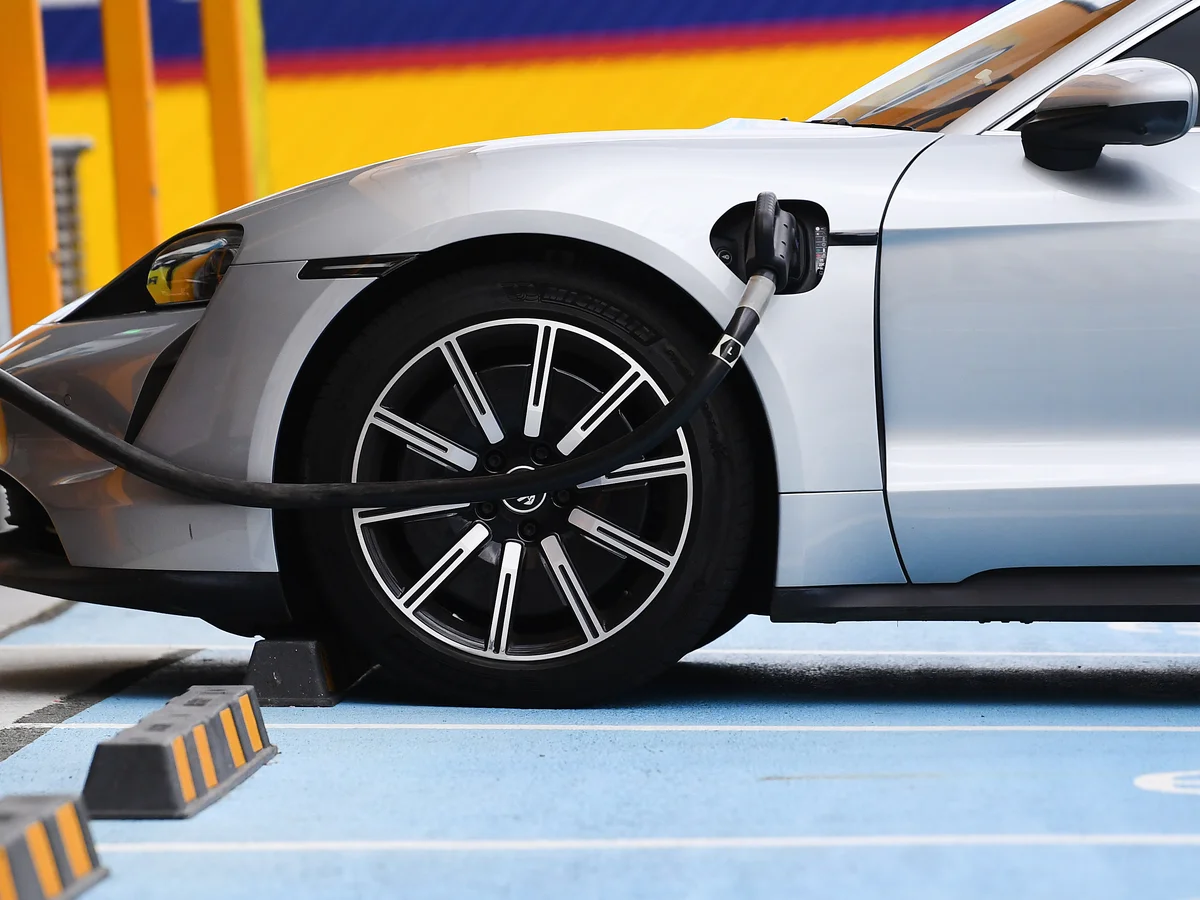
Australia is witnessing a major shift in its automotive market, with electric vehicles (EVs) and hybrids surging ahead while traditional internal combustion engine (ICE) cars dip below 70% market share for the first time. Industry data from the Australian Automobile Association (AAA) shows that in the third quarter of 2025 (July to September), battery electric vehicle (BEV) sales hit a record 29,298 units, capturing 9.70% of new light vehicle sales. This marks a jump from 9.31% in the previous quarter and 6.59% a year earlier.
Hybrid sales also reached new heights at 49,929 units, securing 16.52% of the market—the second-highest on record. Together, electrified vehicles now outsell pure ICE models in growth, with hybrids leading for nine straight quarters. ICE vehicles, including petrol and diesel, fell to 69.65% share in Q3, the lowest ever, signaling a rapid consumer pivot toward greener options amid rising fuel costs and climate goals.
October 2025 data reinforces the trend: total new vehicle sales rose 1.2% to 99,588 units year-on-year. Hybrids claimed 17.8% (up 25%), plug-in hybrids (PHEVs) hit 4.7% (up 95%), and BEVs held steady at 7.3%. Year-to-date through October, sales totaled 1,014,027 units (down 1.1% overall), but hybrids grew 12% and PHEVs soared 137%. Experts predict EVs and hybrids could dominate by 2027, driven by the federal New Vehicle Efficiency Standard effective from July 1, which penalizes high-emission vehicles.
Toyota led sales with 19,726 units in October, followed by Ford and Mazda, but Chinese brands like BYD and GWM surged—BYD up 128.6%. AAA’s report highlights Australians embracing hybrids for practical low-emission drives, with petrol-only vehicles losing ground. This boom creates jobs in charging infrastructure and boosts Australia’s net-zero ambitions by 2050.
FAQs [Frequently Asked Questions]
-
What caused ICE cars to fall below 70% market share?
In Q3 2025, BEV sales rose to 9.70% and hybrids to 16.52%, totaling over 30% electrified share, due to consumer demand for efficiency and new emission standards penalizing high-pollution vehicles. -
How have EV and hybrid sales grown in 2025?
BEVs hit 29,298 in Q3 (up from prior quarters), hybrids 49,929; year-to-date, hybrids up 12%, PHEVs 137%, with October showing 17.8% hybrid share amid total sales of 99,588 units. -
What does this mean for Australia’s environment and economy?
The surge supports net-zero goals by 2050, cuts emissions, creates charging jobs, and could make EVs/hybrids over 50% by 2027, saving fuel costs while challenging rural infrastructure needs.