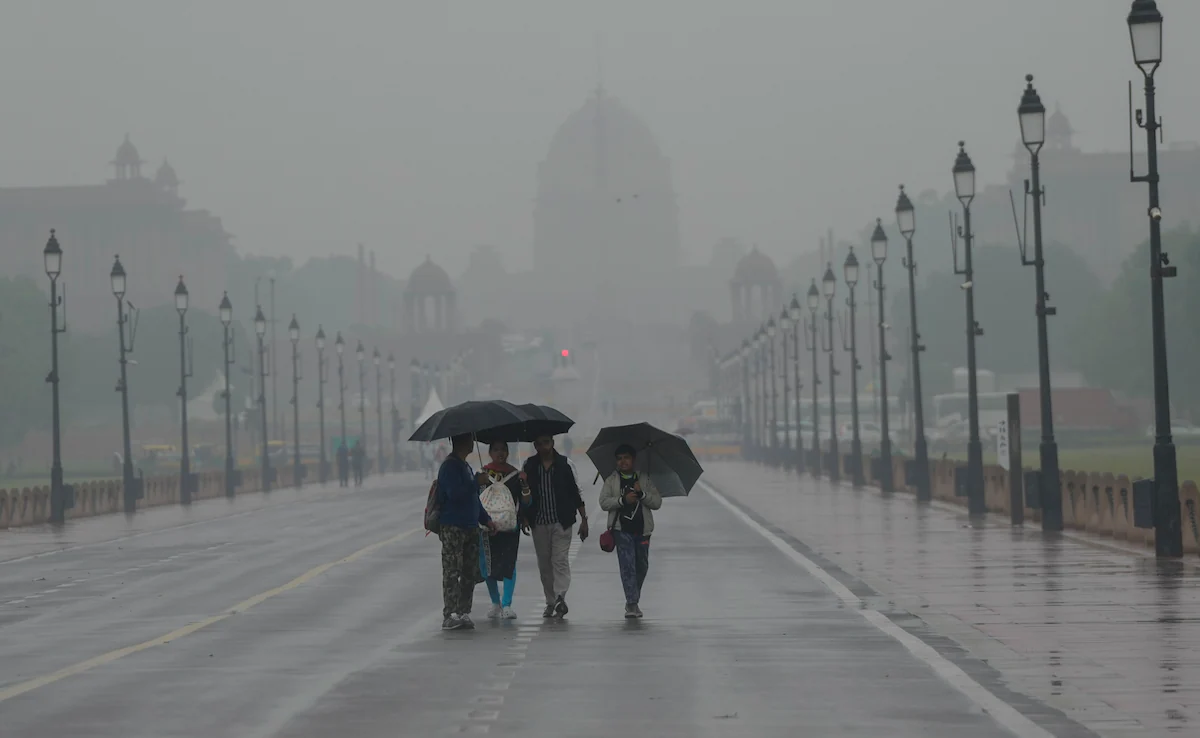
Delhi woke up to a surprising chill on March 20, 2026, recording its coldest March day in six years. The minimum temperature dropped to 10.2°C at Safdarjung Observatory, the lowest for March since 2020. This beat the previous record of 11.4°C set on March 15, 2020. Strong northwesterly winds at 40-50 kmph swept through the city, cooling things down after a warm February. Experts blame a western disturbance—a weather system from the Mediterranean—for the dip. “Cold winds from the hills clashed with Delhi’s heat, creating this anomaly,” said an India Meteorological Department (IMD) official. Daytime highs struggled at 24°C, far below the normal 30°C. Residents bundled up, with parks emptying early and traffic slowing amid foggy mornings.
But there’s good news too: the cold brought Delhi’s cleanest air in five months! The Air Quality Index (AQI) hit 78 (satisfactory), the best since October 2025. PM2.5 levels fell to 45 µg/m³, down from hazardous 300+ µg/m³ peaks in November. Winds dispersed winter pollutants like vehicle smoke and stubble burning residue.
This rare combo shows how weather can fight pollution. Yet, IMD warns of rebound warmth soon, with temperatures possibly hitting 32°C by March 23. Polluters must act fast—experts urge electric vehicles and crop residue alternatives to keep AQI under 100.
FAQs [Frequently Asked Questions]
1. Why was March 20 the coldest in 6 years?
Strong northwesterly winds from a western disturbance dropped Delhi’s temperature to 10.2°C, lowest since 11.4°C in 2020. Normal March mins are 14-15°C.
2. How did the cold improve air quality?
High winds (40-50 kmph) dispersed pollutants, lowering AQI to 78 (best in 5 months) and PM2.5 to 45 µg/m³ from winter highs over 300.
3. What weather changes are expected next?
Winds will weaken, pushing daytime highs to 32°C by March 23. AQI may rise slightly, but no major pollution spike forecast.
(*Image Source- NDTV)