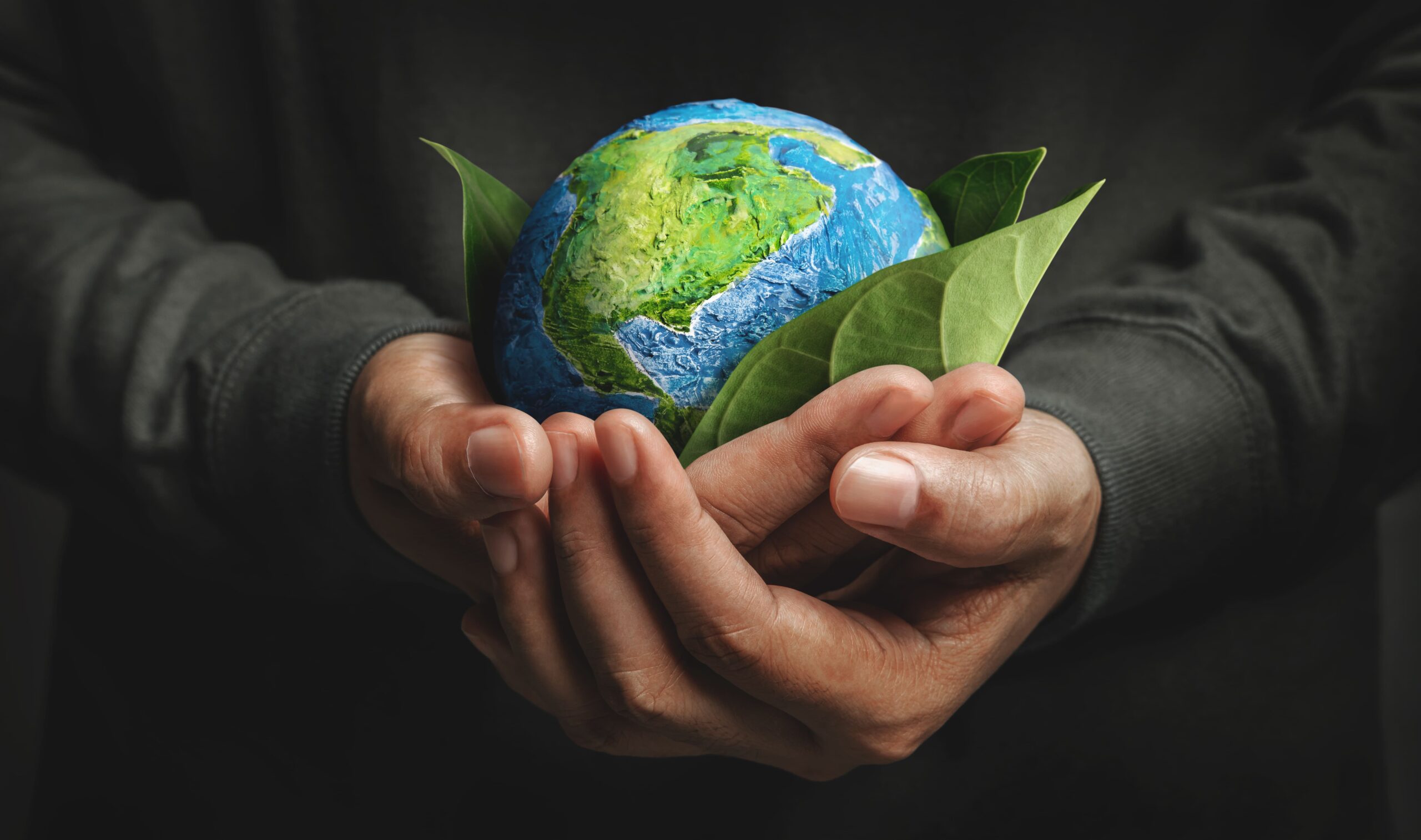
We have been celebrating Earth for almost five and a half decades, and over this period, the number of people participating in the celebration has reached one billion. Is it really a celebration to simply tick off as a task done, or is it a renewal of our commitment to do something concrete to protect our planet?
“It will make sense if we continue working on the theme of Earth Day for the entire year and beyond, until it passes the test thresholds of knowledge, attitude, and practice.”
The theme for Earth Day is announced in advance so a billion people can focus and work towards the same identified issue needing immediate attention.
Let us look at the themes for the last three years:
-
‘Invest in Our Planet’ for 2023
-
‘Planet vs. Plastic’ for 2024
-
‘Our Power, Our Planet’ for 2025
The 2025 theme aligns with the seventh Sustainable Development Goal of ‘Affordable and Clean Energy’, aiming to triple renewable energy by 2030. These themes and focused celebrations represent noble thoughts and actions. But are these enough?
We face a mammoth task. Much damage has been done, and it continues in some ways. So we face a double challenge: one is to curtail and prevent further harm to our Mother Earth, and the other is to reverse the existing damage.
We must reduce our ‘footprints’ and enhance our ‘handprints’. Collectively, we can create diverse, colorful, and lasting handprints. But have we done so through these celebrations?
Is one day—April 22nd—or even a week enough? The hype is there: social media spikes, news, articles, speeches, events. Then comes the ebb. Do we take stock of what impact was created through Earth Day celebrations in 2022, 2023, or 2024? Were there recurring actions? Were these celebrations only about buzz and awareness?
If awareness was created, did it lead to a mindset shift or behavior change? It will only make sense if we continue working on each year’s theme throughout the year and beyond—until we pass the thresholds of knowledge, attitude, and practice.
For this, very important target groups are children, adolescents, and young adults. Children especially can develop good habits around these themes. They will be the harbingers of change. The other two groups can amplify the message and build the next generation of leaders to continue the work.
Each new theme should be strategically aligned with the progress made so far, strengthening the same target groups. Just like a good education system, where new chapters are added progressively toward a common goal, our Earth Day themes must do the same—marching towards a sustainable and nurturing planet.
These continuous efforts will create a culture of doing the right things regularly, influencing more people to follow suit.
For example, the 2023 theme, ‘Invest in Our Planet’, encourages us to create a culture of care by recognizing:
-
Why we need to act
-
Where we went wrong
-
What steps must be taken
-
How quickly action is needed
-
Who is responsible
-
How to amplify efforts across months and years
Those baby steps become a way of life.
In 2024, the theme ‘Planet vs. Plastic’ added a new layer—reducing plastic footprints—while continuing the momentum from 2023. Like powerful streams merging into a steady river, young kids, when molded and trained, can influence parents, grandparents, and peers, bringing a cultural shift in caring for our planet.
What we lost to so-called modernization—our values of peaceful, respectful, and sustainable coexistence with nature—can return. It starts in a few pockets and gradually spreads across diverse populations.
The 2025 theme ‘Our Power, Our Planet’ is a natural extension of earlier themes, bound by the common thread of caring for the planet.
In summary, Earth Day (or any such day) should serve as the introduction of a new theme for a continuous journey of planetary care. The planet has always nurtured us. If we exploit it beyond endurance, it will lose its ability to support us.
To preserve its nurturing power, the planet must replenish, rest, and refresh. If we truly want a culture of caring for our planet, we must start with children, adolescents, and young adults, guided by passionate mentors.
By: Sushma Oza
Advisor / Consultant – CSR & Sustainability
Disclaimer: The views are personal by the authorand Influence 360 publication and its parent company takes no responsibility of the content featured in this write up.