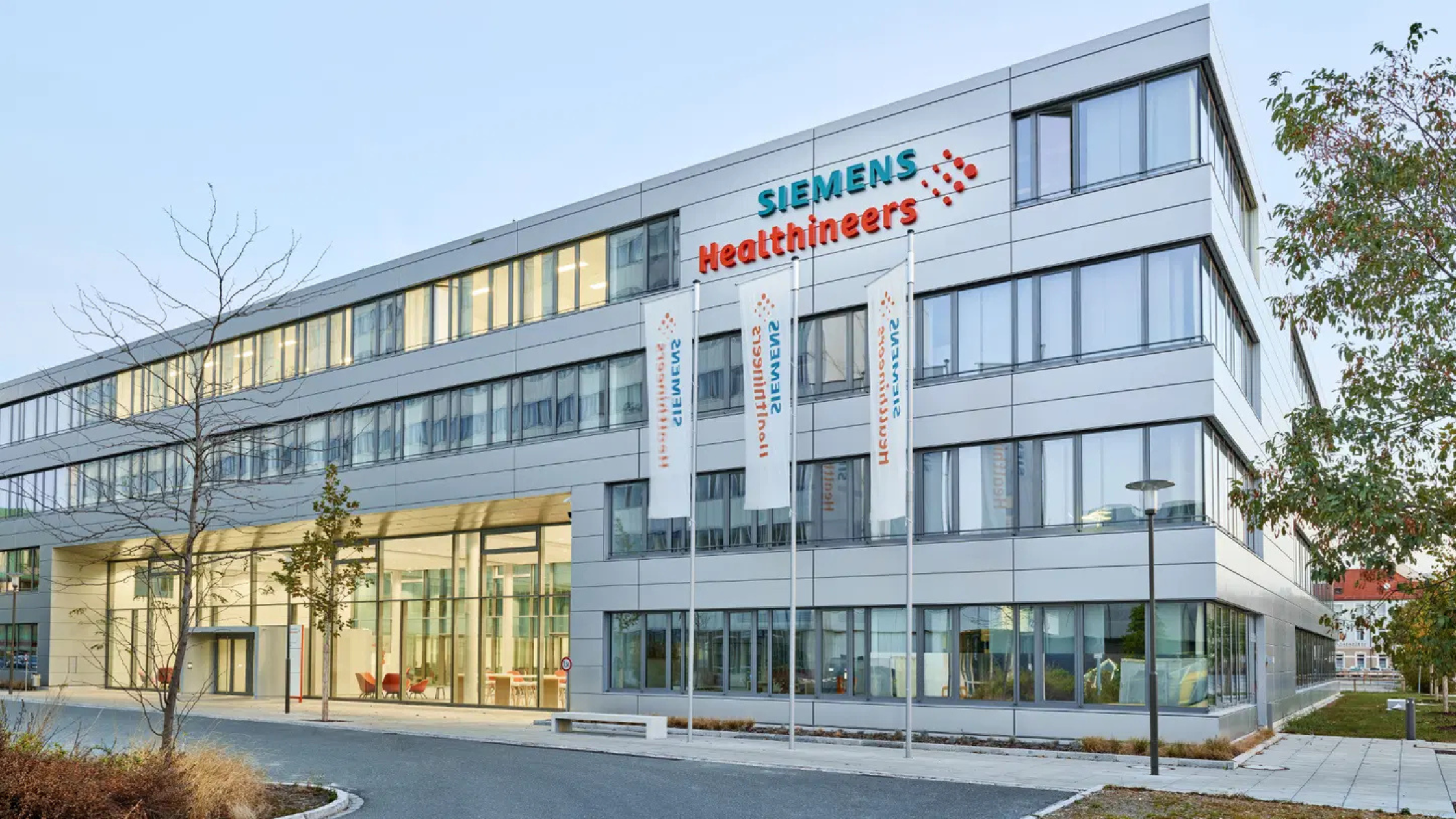
Siemens Healthineers has received federal funding of up to $31.1 million to develop autonomous robotic technology for treating acute ischemic strokes. The five-year award has been provided by the US Advanced Research Projects Agency for Health, or ARPA-H. The project will focus on remote endovascular robotics. The technology is designed to help specialists perform mechanical thrombectomy, a procedure that removes a blood clot blocking blood flow to the brain.
Under the proposed system, robotic instruments, medical imaging and artificial intelligence will work together to guide treatment. The technology could eventually allow stroke procedures to be performed remotely, reducing the need for patients to travel long distances to specialised hospitals.
Siemens Healthineers will contribute $5.4 million as part of the project’s cost-sharing arrangement. This takes the total potential investment in the programme to $36.5 million. Medical technology company Stryker will participate as a sub-awardee. The project is part of ARPA-H’s Autonomous Interventions and Robotics, or AIR, programme. The programme aims to expand access to advanced surgical care, especially for patients who live far from specialist medical centres.
The ARPA-H award details say Siemens Healthineers will develop an autonomous endovascular surgical system using a robotic catheter platform, specially designed devices and fluoroscopic imaging. The system will also use physics-based and reinforcement-learning algorithms for navigation.
The programme has ambitious targets. Teams are expected to demonstrate autonomous capabilities in models within 24 months and fully autonomous surgical interventions in realistic models, animals or human cadavers within 60 months.
If successful, the technology could improve the speed and availability of stroke treatment. However, it will still require extensive testing, regulatory approval and clinical validation before use in hospitals.
FAQs [Frequently Asked Questions]
1. How much funding did Siemens Healthineers receive?
Siemens Healthineers received up to $31.1 million from ARPA-H over five years. The company will add $5.4 million, taking potential project investment to $36.5 million.
2. What treatment will the robot support?
The robotic system will support mechanical thrombectomy, a procedure that removes blood clots from brain arteries during acute ischemic stroke emergencies, potentially improving access to specialised care.
3. What is the project’s main goal?
The project aims to develop autonomous remote endovascular robotics combining catheters, imaging and artificial intelligence, enabling specialists to deliver stroke treatment across long distances.