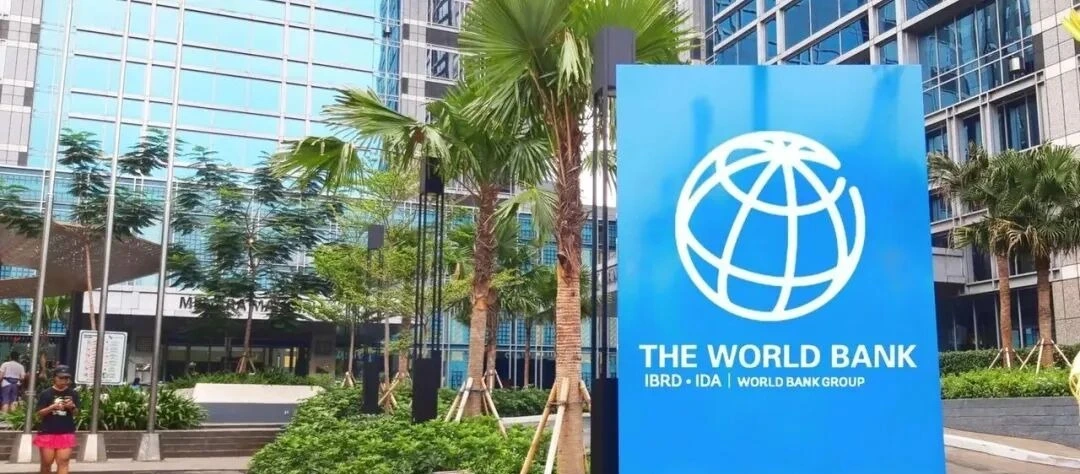
The World Bank has approved a $24.5 million grant to boost sustainable agriculture in the Philippines. Announced on April 23, 2026, this Technical Assistance for Sustainable Agricultural Transformation (TASAT) supports the country’s shift from rice-heavy farming to diverse, climate-resilient crops.
The funding splits into four parts: $8 million improves rice-based systems for better yields and resilience; $8.5 million promotes high-value crops like fruits and vegetables for exports; $2.5 million strengthens institutions for agrifood reforms; and $5.5 million handles project management until 2030. It complements a $1 billion loan, aiming to benefit 5 million farmers by modernizing practices, cutting fertilizer subsidies, and enhancing food security amid climate risks.
This initiative tackles key challenges: agriculture employs 22% of Filipinos but grows slowly due to typhoons and poor infrastructure. TASAT draws $14.5 million from the Food Systems 2030 trust fund and $10 million from the IBRD, aligning with UN goals to end hunger by 2030. Officials expect higher incomes, safer food, and jobs in processing and exports.
By diversifying crops, the Philippines can reduce import reliance—rice imports hit 3.3 million tons in 2025—and build resilience. This positions the nation as a regional leader in green farming, supporting economic growth in rural areas.
FAQs [Frequently Asked Questions]
1.What is the TASAT project?
TASAT is a $24.5 million World Bank grant approved in April 2026 to transform Philippine agriculture with climate-smart practices, crop diversification, and institutional reforms for better food security.
2. How is the funding allocated?
It divides into $8M for rice efficiency, $8.5M for high-value exports, $2.5M for institutions, and $5.5M for management, running until December 2030.
3. Who benefits and why?
Five million farmers gain from higher yields, climate resilience, and jobs; it shifts from rice focus to sustainable systems amid typhoons and imports.