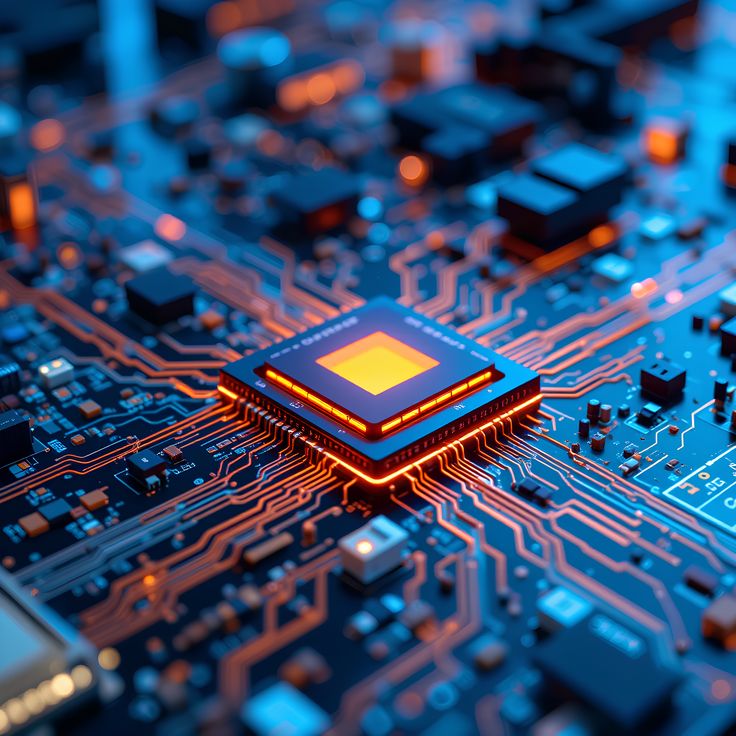
India has allocated Rs 1,000 crore for Semiconductor Mission 2.0 in the Union Budget 2026-27 to strengthen domestic chip manufacturing. This new phase builds on the success of ISM 1.0, which approved projects worth Rs 76,000 crore, including Tata’s fab in Gujarat and Micron’s unit in Sanand, aiming to create over 50,000 jobs.
The funding targets industry-led research, training centers, and production of semiconductor equipment, materials, and full-stack Indian IP. It supports advanced nodes like 3nm and 2nm by 2035, positioning India among top global players. Currently, India imports 95% of its $100 billion annual chip needs from Taiwan and China; Mission 2.0 eyes $80 billion in local production by 2030.
Key initiatives include 20 design labs, partnerships with PSMC, and incentives like 50% capital subsidies for fabs. Phase 1’s Dholera fab starts trial production in late 2026 for 28nm chips used in mobiles, EVs, and defense. A complementary Rs 8,000 crore scheme accelerates fabs and packaging across six states.
Minister Ashwini Vaishnaw highlighted focus on deep-tech startups and talent to fortify supply chains amid global tensions. This aligns with Atmanirbhar Bharat, spurring AI, 5G, and renewables innovation. By 2029, India aims to meet 70-75% of domestic chip demand, reducing import reliance and boosting exports.
FAQs [Frequently Asked Questions]
1. What does Semiconductor Mission 2.0 focus on?
Producing equipment, materials, Indian IP, and supply chains via research and training centers for self-reliance.
2. How much was allocated for ISM 1.0 projects?
Rs 76,000 crore approved 10 projects worth Rs 1.6 lakh crore investments across fabs and packaging.
3. What are the long-term goals of ISM 2.0?
Achieve 3nm/2nm nodes by 2035, meet 70-75% domestic demand by 2029, become top global player.