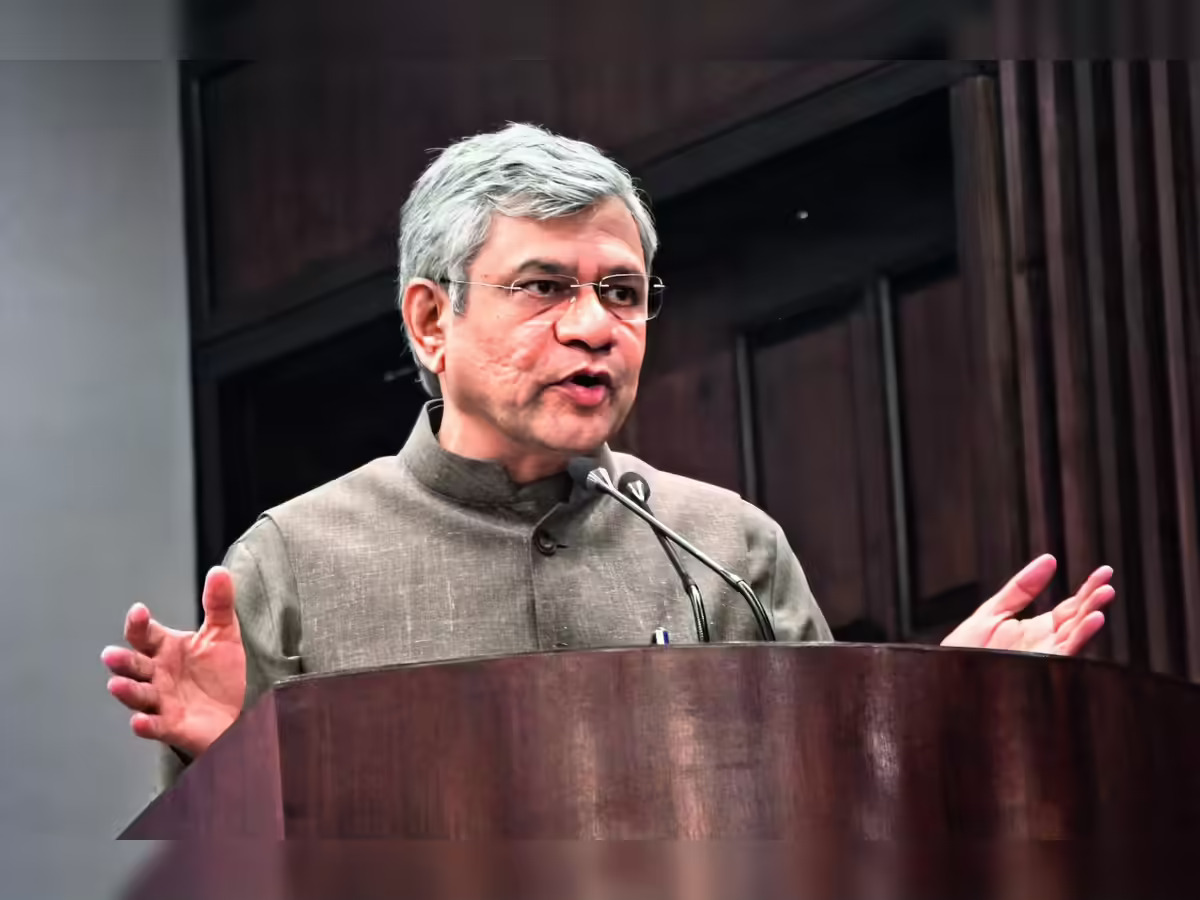
Railway Minister Ashwini Vaishnaw recently highlighted the dramatic transformation of Indian Railways over the past decade under the Modi government. Speaking in the Lok Sabha during the discussion on the Rs.2.78 lakh crore demands for grants for 2026-27, he emphasized shifting from vote-bank politics to performance-based politics.
Vaishnaw noted that since 2014, the government has sanctioned 27,000 km of railway projects worth Rs. 4.27 lakh crore, laying the foundation for growth over the next 20-30 years. These include new lines, track doubling, and gauge conversions, with 34,428 km of new tracks commissioned at an average of 8.57 km per day—more than double the 4.2 km per day from 2009-14. The network now boasts 99.2% electrification of its 70,001 km broad-gauge tracks, saving Rs. 6,000 crore annually by replacing diesel operations and positioning India ahead of China (82%) and the UK (39%).
Key achievements include over 160 Vande Bharat Express trains operational as of early 2026, the Mumbai-Ahmedabad bullet train project on track for 2027 commissioning, and record freight loading of 1 billion tonnes in FY 2025-26. Financial health has improved significantly, with every state benefiting from record budget allocations. Vaishnaw stressed that these all-dimensional reforms—infrastructure, electrification, safety, and passenger amenities—demonstrate performance-driven governance.
FAQs [Frequently Asked Questions]
1. What budget was approved for Railways in 2026-27?
The Lok Sabha passed Rs.2.78 lakh crore demands for grants after two days of discussion, enabling projects across all states.
2. How much electrification has Indian Railways achieved?
99.2% of the 70,001 km broad-gauge network is electrified, saving Rs. 6,000 crore yearly and reducing carbon emissions significantly.
3. What major projects were sanctioned since 2014?
27,000 km of projects worth Rs. 4.27 lakh crore, including bullet trains and track expansions, at 8.57 km/day pace.
(*Image Source- The Economic Times)