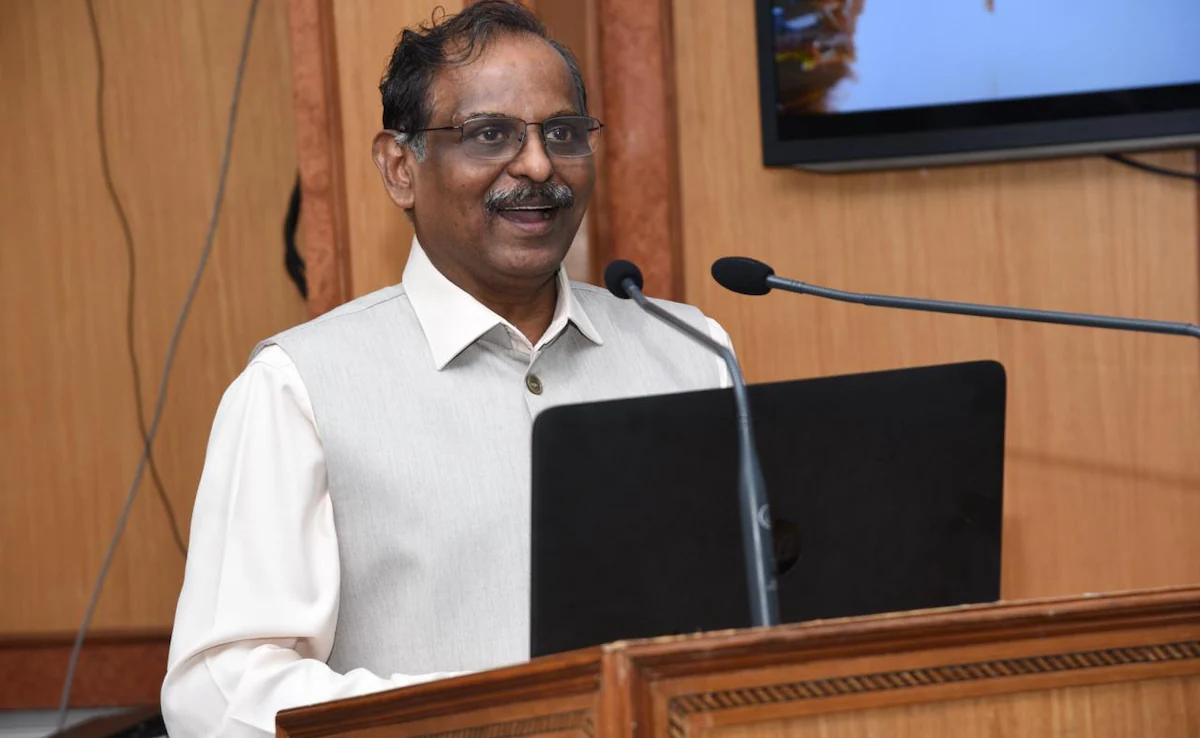
All India Institute of Medical Sciences (AIIMS) New Delhi and the Indian Space Research Organisation (ISRO) have signed a landmark Memorandum of Understanding (MoU) to advance space medicine research. The pact, inked on March 8, 2026, aims to study human health in space, supporting India’s human spaceflight ambitions like the Gaganyaan mission.
AIIMS Director Dr. M. Srinivas and ISRO’s Human Space Flight Centre Director Dinesh Kumar Singh signed the agreement. It covers ground-based and space-based studies on human physiology, cardiovascular regulation, musculoskeletal health in microgravity, microbiome, immunology, genomics, biomarkers, and behavioral health. Dr. Srinivas called it an “escape velocity” for space medicine, benefiting patients, the nation, and humanity while aligning with Viksit Bharat 2047 goals.
This collaboration boosts India’s capabilities ahead of Gaganyaan’s first uncrewed flight in 2026 with robot Vyommitra, and crewed missions by 2028-29. ISRO’s successes—like Chandrayaan-3 lunar landing in 2023 and Aditya-L1 solar mission—now extend to biomedical research. AIIMS brings expertise from prior space physiology work by Prof. K.K. Deepak.
The tie-up could yield Earth benefits, like better treatments for osteoporosis from microgravity studies or immune therapies from microbiome research. With India’s space budget at ₹13,043 crore for 2025-26 (up 9% YoY), such partnerships position the country as a space health leader. Attended by ISRO Chairman V. Narayanan and AIIMS faculty, the event signals deeper medical-space synergy.
FAQs [Frequently Asked Questions]
1. What does the AIIMS-ISRO MoU cover?
It focuses on space medicine research including human physiology, cardiovascular health, microgravity effects on muscles/bones, immunology, genomics, biomarkers, and behavioral health via ground/space studies.
2. Why is this partnership timely for India?
It supports Gaganyaan missions (uncrewed 2026, crewed 2028-29), enhances human spaceflight safety, and aligns with Viksit Bharat 2047 by advancing biomedical research.
3. What benefits beyond space exploration?
Joint studies could improve Earth healthcare, like osteoporosis treatments from microgravity research and immune therapies from microbiome work, aiding patients nationwide.