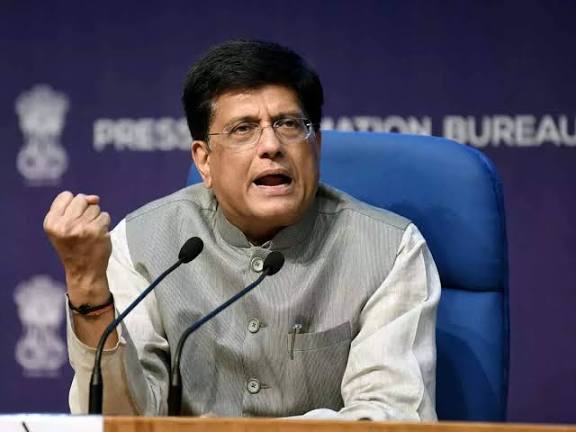
Union Minister Piyush Goyal has urged a complete transformation of India’s higher education system to meet global standards and attract more international students. He was speaking at the Vice Chancellors’ Conclave 2026 in New Delhi. Goyal called on universities to modernise curricula, improve teaching methods and integrate emerging technologies like artificial intelligence, quantum computing and machine learning in their programmes. He said India must prepare students for a rapidly changing global economy by focusing on innovation, research and industry-linked skills.
Referring to the National Education Policy (NEP) 2020, Goyal noted that it was framed after nearly three lakh public inputs from India and abroad, and it provides a roadmap to bring Indian higher education at par with top global institutions. The policy allows foreign universities to set up campuses in India and supports joint and dual degree programmes with international partners.
He highlighted that India is increasingly engaging with the world from a position of strength and contributes nearly 20 per cent to global growth, making quality higher education a key driver of the country’s long-term vision of “Viksit Bharat 2047”. Goyal said treating education as a “service export” can boost foreign exchange earnings and help India become a global education hub by drawing more students from both developing and developed nations.
FAQs [Frequently Asked Questions]
1. What did Piyush Goyal say about India’s higher education system?
He said India’s higher education must be transformed to global standards by modernising curricula, adopting technologies like AI and quantum computing, and improving research and innovation in universities.
2. How is NEP 2020 linked to global standards in education?
NEP 2020 provides a framework to internationalise education, allows foreign campuses, promotes joint and dual degrees, and was drafted after nearly three lakh stakeholder inputs from India and abroad.
3. Why does Goyal call education a “service export”?
He believes quality education can attract international students, generate foreign exchange, support India’s growth ambitions for Viksit Bharat 2047 and help make India a major global education hub.
4. What steps did he suggest for universities and vice chancellors?
He urged them to upgrade infrastructure, integrate emerging technologies, strengthen industry linkages, create international affairs offices, expand exchanges, and work to improve global rankings and enrolment targets.