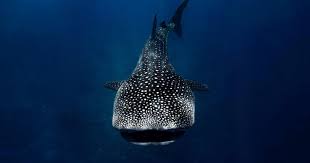
The Maldives has kicked off the Tech4Nature project to protect its famous whale sharks in the South Ari Marine Protected Area (SAMPA). Launched on February 10, 2026, by the International Union for Conservation of Nature (IUCN), the Ministry of Tourism and Environment, and Huawei, it uses digital tools to balance tourism and conservation. SAMPA is the Maldives’ largest marine protected area and a top global spot for whale sharks (Rhincodon typus), drawing thousands of visitors yearly. These gentle giants, the world’s biggest fish, face threats from tourism crowds and poor monitoring over its vast waters. Tech4Nature equips rangers with field-monitoring tech and real-time communication devices for better patrols and data collection.
The project tracks tourist-shark interactions, boosts compliance with rules, and improves visitor safety. It supports SAMPA’s path to IUCN Green List status, a global standard for top protected areas. Rangers get training on Green List benchmarks and baseline assessments to spot management gaps.
Part of the global Tech4Nature initiative since 2020 under Huawei’s TECH4ALL, it promotes tech-driven conservation worldwide. Unveiled at the Maldives Protected and Conserved Areas Forum 2026, it aids local jobs tied to eco-tourism.
Dr. Dindo Campilan of IUCN called it a “pragmatic step” for ecosystem health. Huawei’s Zhang Jinze highlighted tech and community roles in sustainability. With whale sharks vital to Maldives’ biodiversity and economy, this project ensures their future amid rising visitors.
FAQs [Frequently Asked Questions]
1. What is the Tech4Nature project?
It’s a Maldives initiative by IUCN, government, and Huawei using digital monitoring tools to protect whale sharks in SAMPA while managing tourism.
2. Why focus on South Ari Marine Protected Area?
SAMPA is the largest protected area in Maldives and a key year-round whale shark site, challenged by vast size and high tourist numbers.
3. What tools will rangers receive?
Rangers get digital observation gear, real-time communication devices for patrols, enforcement, tracking interactions, and data for science-based decisions.
4. How does it support IUCN Green List?
It provides training, assessments, and data to meet Green List standards for effective, equitable protected area management.