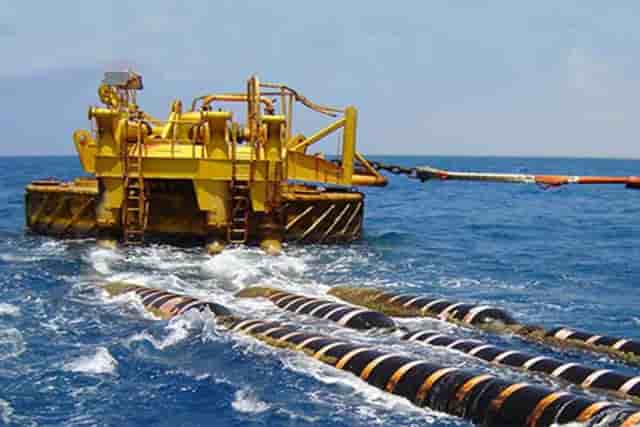
India has forged a groundbreaking energy alliance with Saudi Arabia and the United Arab Emirates (UAE), enabling electricity imports via undersea high-voltage direct current (HVDC) cables. This first-of-its-kind project, announced in early 2026, allows seamless power exchange, with India exporting surplus renewable energy and importing during shortages. Tenders for the ambitious cables—1,700 km to Saudi Arabia (Rs. 47,000 crore) and 1,400 km to UAE (Rs. 43,500 crore)—are underway, each carrying 2 GW capacity.
The partnership leverages India’s booming solar and wind capacity, now over 200 GW, against Gulf nations’ oil wealth and Vision 2030/Net Zero 2050 goals. Time zone differences enable real-time trades: India imports Saudi/UAE solar during their evenings, exporting daytime surplus. This grid interconnection stabilizes supplies, cuts losses, and fights climate change amid India’s peak demand hitting 241 GW in 2025.
Power Minister Manohar Lal Khattar highlighted economic benefits, including technology transfers and manpower for Gulf renewables. Saudi Arabia and UAE seek India’s clean energy to diversify from fossils, while India accesses affordable power. Analysts project it strengthens bilateral ties, supports India’s $1 trillion digital economy push, and positions the region as a green hub.
Joint ventures like NTPC-SEC MoUs boost infrastructure. As grids link, this redraws the energy map, fostering security and sustainability. India’s renewable surge meets Gulf diversification, heralding a new era of cross-border green power.
FAQs [Frequently Asked Questions]
1. What is the India-Saudi-UAE energy project?
Undersea HVDC cables (1,700 km to Saudi Arabia, 1,400 km to UAE) enable 2 GW bidirectional electricity trade, linking grids for imports/exports.
2. What are the investment costs?
Saudi link costs Rs. 47,000 crore; UAE link Rs. 43,500 crore. Total nears Rs.90,000 crore with tenders issued for construction.
3. How does it benefit all parties?
India gets stable imports; Gulf imports renewables for net-zero goals. Time zones aid real-time solar swaps, stabilizing markets.
4. When was it announced and by whom?
Early 2026 by Power Minister Manohar Lal Khattar; builds on signed JVs for energy security and green transition.