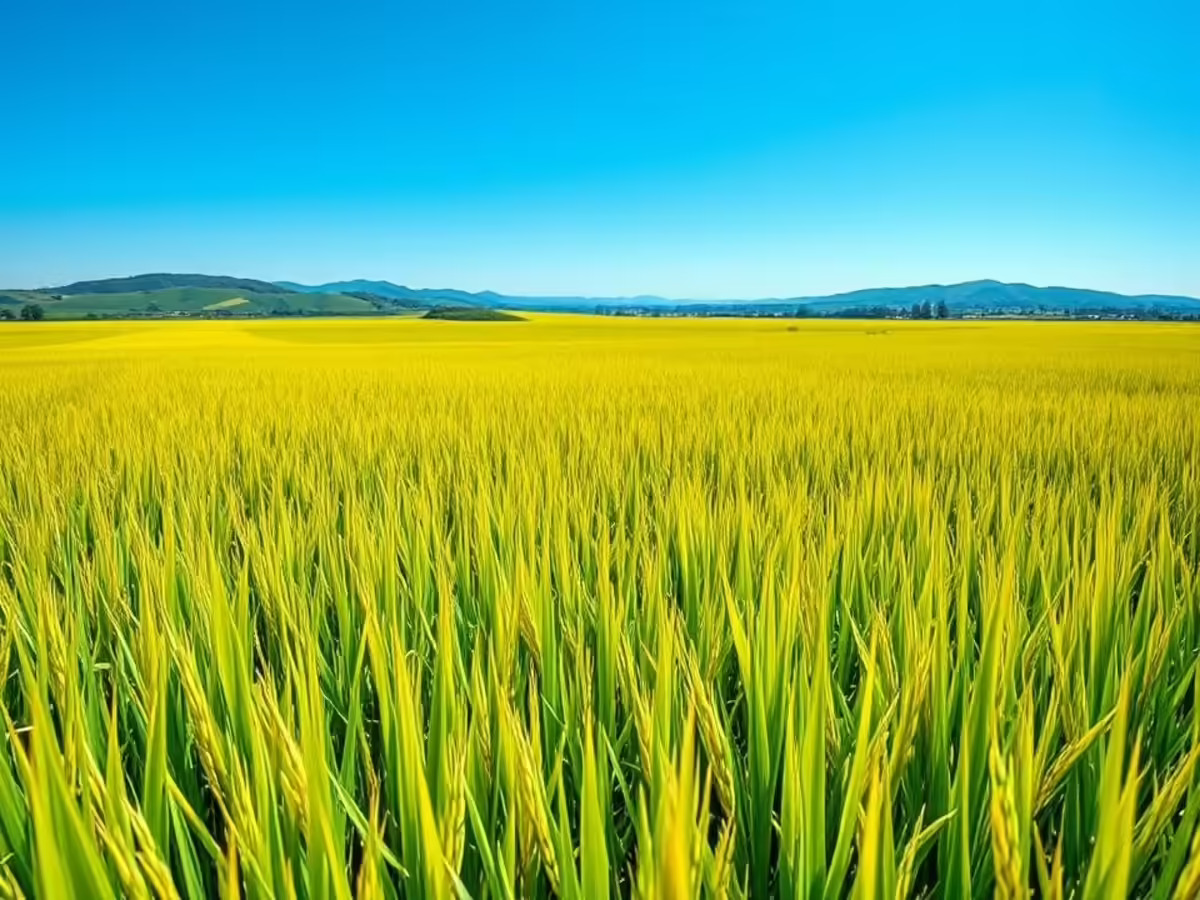
Chouhan announced in New Delhi that India’s rice production reached 150.18 million tonnes in the 2024-25 season, compared to China’s 145.28 million tonnes. This means India now contributes around 28% of global rice production, strengthening its position as both a food-secure nation and a key supplier to the world.
At the same event, the minister released 184 high-yielding and climate-resilient seed varieties for 25 crops, developed by the Indian Council of Agricultural Research and partners. These improved seeds are expected to raise yields, support climate-resilient farming, and increase farmer incomes, especially in major rice-growing states like Uttar Pradesh, Telangana, West Bengal, and Punjab.
India is already the world’s largest rice exporter, shipping about 20.1 million tonnes in 2024-25 to markets such as Saudi Arabia, Iran, Iraq, Benin, and the UAE. With record production and comfortable stocks, India is better placed to stabilise domestic prices while meeting overseas demand, supporting rural livelihoods and overall economic growth.
Chouhan said the achievement reflects long-term farm policies, technological support, and investment in irrigation, seeds, and extension services. He also stressed the need to increase production of pulses and oilseeds to diversify crops, improve nutrition, and reduce import dependence while keeping farmer welfare at the centre.
FAQs [Frequently Asked Questions]
Q1. How much rice does India produce now?
India’s rice production has reached about 150.18 million tonnes in 2024-25, surpassing China’s 145.28 million tonnes and making India the world’s largest rice producer.
Q2. Why did India become the top rice producer?
Better seeds, good monsoon, government support, higher acreage, and improved farm practices helped India raise output and move ahead of China in total rice production.
Q3. Is India also the largest rice exporter?
Yes, India is the biggest rice exporter, shipping around 20.1 million tonnes in 2024-25 to countries like Saudi Arabia, Iran, Iraq, Benin, and the UAE.
Q4. How will this benefit Indian farmers?
Higher production, new high-yielding seed varieties, and strong export demand can raise farmer incomes, create more rural jobs, and encourage investment in storage, milling, and logistics.