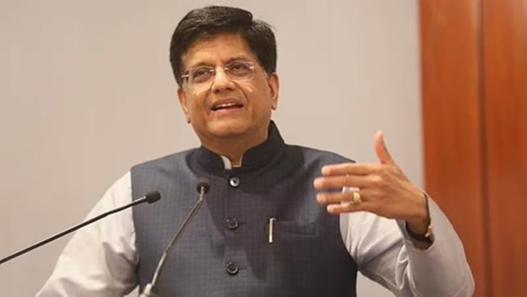
Commerce Minister Piyush Goyal has announced that from 1 January, India will offer zero-duty access on 100 per cent of Australian tariff lines under the India-Australia Economic Cooperation and Trade Agreement (Ind-Aus ECTA). This move aims to deepen bilateral trade and attract more investment.
Under the revised arrangement, almost all Australian products covered by the pact will enter India at nil customs duty, compared with the earlier phased reduction schedule. This is expected to benefit sectors such as resources, agriculture-linked items, and high-value manufactured goods, while giving Indian industry more stable input costs.
Goyal highlighted that India’s exports have already crossed record levels in recent years, and partners like Australia are key to reaching the long-term target of 1 trillion dollars in exports. The zero-duty access is also designed to support Indian services, technology, and value-added manufacturing through stronger supply-chain linkages.
Officials note that Ind-Aus ECTA has already simplified procedures, cut tariffs on thousands of lines, and encouraged more Indian exports of textiles, leather, engineering goods, and pharmaceuticals to Australia. The latest step takes the agreement to a new stage of market openness, while India continues to use trade remedies wherever required to protect sensitive sectors.
Trade experts say the measure could increase two-way trade, improve access to raw materials like minerals and energy inputs, and support “Make in India” and “Atmanirbhar Bharat” by making Indian manufacturing more competitive globally. Businesses have been encouraged to study the new tariff schedule and adjust their sourcing and export strategies quickly to capture the fresh opportunities.
FAQs [Frequently Asked Questions]
1. What did Piyush Goyal announce?
He announced that from 1 January, India will give zero-duty access on 100 per cent of Australian tariff lines covered under the Ind-Aus ECTA, removing customs duties on these products.
2. How will this help Indian industry?
Cheaper Australian inputs like minerals and intermediate goods can lower production costs for Indian manufacturers, improve export competitiveness, and strengthen supply chains in sectors such as metals, engineering, and infrastructure.
3. What does Australia gain from this move?
Australia gets guaranteed, duty-free access for all its tariff lines under the agreement, making India a more attractive market for its exporters in resources, agri-linked products, and high-value goods.
4. Is this part of a larger export strategy?
Yes. The government wants to use trade agreements like Ind-Aus ECTA to expand markets, diversify partners, and help India move towards its longer-term target of 1 trillion dollars in total exports.