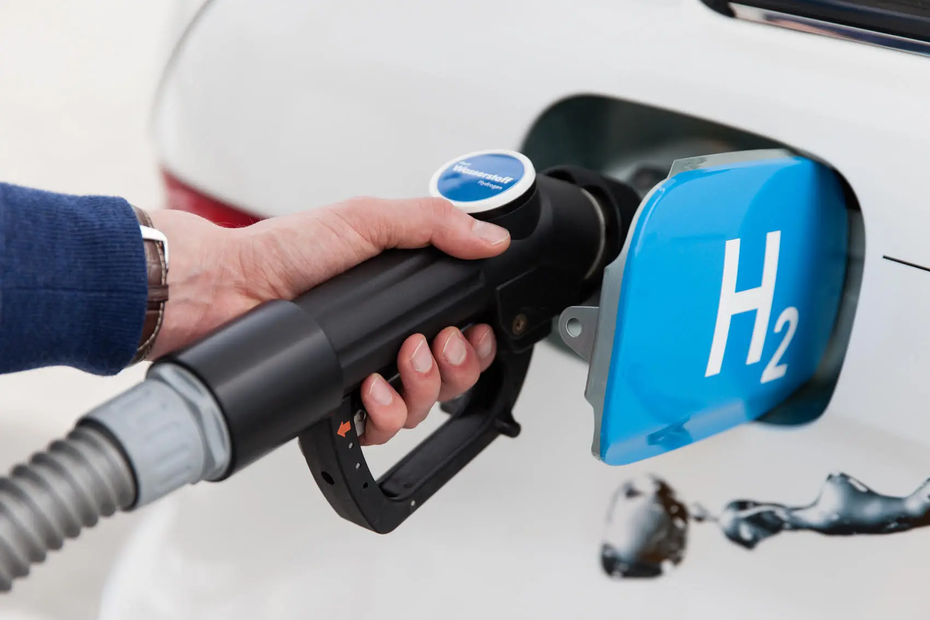
The European Union has granted more than €600 million to 70 projects aimed at expanding alternative fuel infrastructure across Europe. This funding, announced on November 17, 2025, by the European Commission, targets zero-emission mobility in road, maritime, inland waterway, and air transport. It supports the deployment of battery-electric charging stations, hydrogen refueling points, and upgrades to energy systems along the Trans-European Transport Network (TEN-T).
The initiative, funded through the Connecting Europe Facility’s Alternative Fuels Infrastructure Facility (AFIF), will create over 500 new charging locations for lorries, including megawatt chargers, to handle heavy-duty vehicles. In ports, 24 facilities will receive support for onshore power supply and ammonia bunkering, aiding decarbonization in shipping. These projects are expected to mobilize €2.5 billion in total EU grants since 2021, helping meet the EU’s goal of 13.2 million tons of biofuels and 6.8 million tons of synthetic fuels by 2035 under ReFuelEU Aviation and FuelEU Maritime regulations.
Commissioner for Sustainable Transport Apostolos Tzitzikostas stated that these investments strengthen EU competitiveness and make zero-emission travel more accessible. Paloma Aba Garrote from CINEA added that the funding accelerates the transport sector’s shift to a sustainable future. With transport accounting for 25% of EU greenhouse gas emissions, this push aligns with the Sustainable Transport Investment Plan (STIP), planning €2.9 billion in funding by 2027. Due to high demand, the third funding round was canceled, with new calls planned soon. This step boosts Europe’s green transition, reducing reliance on fossil fuels and fostering innovation in clean technologies.
FAQs [Frequently Asked Questions]
- What are the main goals of the EU’s €600 million funding?
The funding supports 70 projects to install battery-electric chargers, hydrogen stations, and port infrastructure for zero-emission transport across TEN-T networks. It aims to decarbonize road, sea, and air mobility, creating over 500 lorry charging points and aiding EU targets for biofuels and synthetic fuels by 2035. - Which transport sectors benefit from these projects?
Road transport gets megawatt chargers for lorries; maritime and inland waterways receive onshore power and ammonia bunkering at 24 ports. Air transport is indirectly supported through complementary regulations like ReFuelEU, focusing on sustainable aviation fuels to cut emissions in all modes. - How does this funding fit into broader EU plans?
It complements the Sustainable Transport Investment Plan (STIP), mobilizing €2.9 billion by 2027 for low-carbon fuels. AFIF funding since 2021 totals €2.5 billion, aligning with goals to reduce transport’s 25% share of EU emissions and promote industrial competitiveness in green tech.