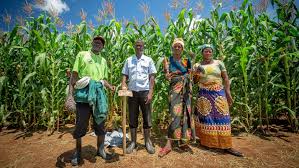
Zambia is using behavioural science to help smallholder farmers adopt climate-smart agriculture practices. This approach boosts resilience against climate change and improves food systems. The Food and Agriculture Organization (FAO) leads the effort through the Sustainable Intensification of Agriculture in Zambia (SIFAZ) and FACE-NDC projects.
Agriculture contributes heavily to greenhouse gas emissions in Zambia, worsened by farming expansion and energy use. Farmers know about sustainable methods but face social, cultural, and behavioural hurdles in adopting them. Traditional training alone fails to bridge this gap. Instead, the program uses relatable messages based on local needs to encourage lasting changes in farming habits.
Teams of behavioural scientists, agronomists, and extension officers hold community talks and focus groups with farmers, women, youth, and leaders. They apply a behavioural framework to spot key drivers and create interventions that fit local customs. Learning mixes field demos, peer sharing, problem-solving, and lead-farmer mentoring. This builds trust and makes communities active in the change process.
Over 47,600 farmers have joined via lead-farmer models, seeing average crop yields rise by 60 percent and profits increase by 40 percent. It links old knowledge with new tech, empowers women and youth as change agents, and strengthens extension services. The method proves behaviour-focused training speeds up climate-smart tech uptake for better productivity and resilience.
The program was highlighted at the 19th FAO Subregional Multi-Disciplinary Team Meeting for Southern Africa. Now scaling nationally across Central, Copperbelt, Eastern, Southern, Western, and Northern provinces. It integrates behaviour tools into training, digital platforms, and policies. This model enhances food security, livelihoods, and low-emission farming in Zambia.
FAQs [Frequently Asked Questions]
- What is behavioural science in this program?
It identifies social and cultural barriers to farming changes, using insights to design relatable education that motivates smallholders to adopt sustainable practices for climate resilience. - What results show success so far?
Trained 47,600 farmers with 60% yield boosts and 40% profit gains, linking traditional methods to modern tech through peer learning and community involvement. - How is the program expanding?
Scaling nationwide via integrated training, digital tools, and capacity building in multiple provinces, aligning with Zambia’s climate and agriculture policies for broader impact.