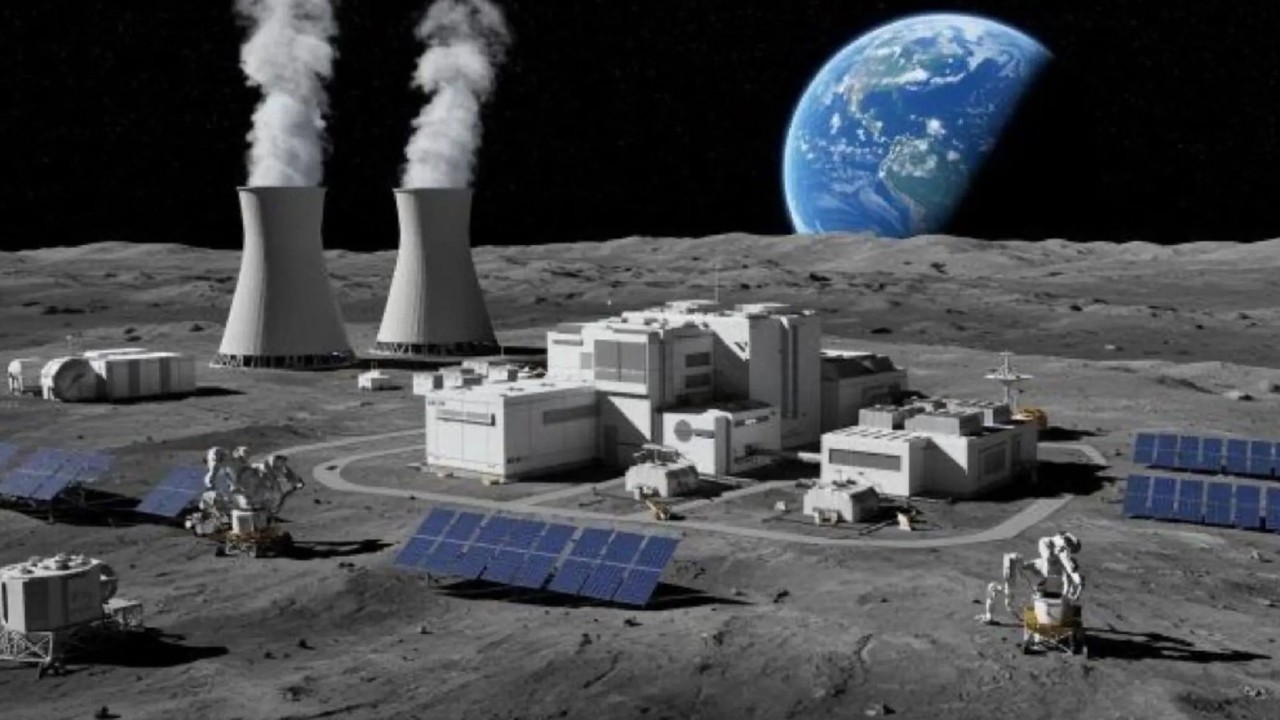
NASA is moving quickly with plans to install a 100-kilowatt nuclear reactor on the Moon by 2030. The reason? Energy from the sun is not enough for future lunar missions. The Moon’s nights last about two weeks, making solar panels unreliable for constant power. A nuclear reactor, however, can supply round-the-clock energy. This power is crucial for keeping astronauts’ habitats warm, running life support systems, maintaining communications, and powering equipment—even in the Moon’s darkest regions. It also opens up possibilities for mining valuable resources and conducting scientific research on the lunar surface.
The New Space Race: Why Now?
NASA’s push comes amid growing concerns about competition from China and Russia. Both countries have announced joint plans to put their own reactor on the Moon by the mid-2030s. Acting NASA chief Sean Duffy said the first nation to deploy a nuclear reactor could claim vital areas—possibly blocking others from accessing key resources like ice or minerals. To avoid falling behind, NASA is speeding up efforts, including selecting commercial partners and appointing a nuclear project leader within the next few months. The current goal is to launch and deploy the reactor by late 2029.
Challenges and What Lies Ahead
Launching a nuclear reactor to the Moon is not easy. While the technology to build small reactors exists, making one safe, light, and robust enough to survive space travel and lunar conditions is a huge challenge. Experts have raised questions about safety, cost, and whether the timeline is realistic—especially as NASA is facing budget cuts and workforce reductions. Still, agency leaders insist that reliable, powerful energy is “not science fiction” and is critical for America’s leadership in space. If successful, this mission could pave the way for permanent bases on the Moon or even future journeys to Mars.