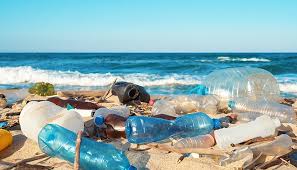
Indonesia is one of the world’s largest archipelagos, but it has also faced major challenges with marine waste. Over 20 million tons of waste risk entering Indonesia’s seas each year, endangering marine life and local livelihoods. Recognizing this urgent threat, the government has launched a new national program called the Clean and Healthy Waste-Free Sea (Sebasah). This initiative aims to reduce ocean waste by 70% by 2029. By focusing on rivers, coasts, and ports—where much of the pollution starts—Indonesia hopes to protect both the environment and its fishing industry from further damage.
Main Strategies of the Waste Reduction Program
The Sebasah program is led by Indonesia’s Ministry of Marine Affairs and Fisheries. To reach its ambitious targets, the ministry is:
- Encouraging teamwork among national and local governments, NGOs, researchers, and private companies.
- Conducting clean-ups and setting up better waste collection from rivers, coastal areas, small islands, and seaports.
- Promoting eco-friendly habits and educating communities on the impact of littering.
- Implementing new waste management systems and planting mangroves to restore coastal ecosystems.
There is also an emphasis on integrating these efforts into broader environmental education and working with provinces beyond Jakarta and Bali, involving at least 40% of provinces in Indonesia in collaborative action.
Milestones and Outlook for 2027 and 2029
The ministry plans to achieve a 40% reduction in marine waste by 2027 as an intermediate milestone. By 2029, the goal is to cut marine pollution by 70%. Officials remain optimistic but stress that long-term success depends on community participation, effective partnerships, and regular monitoring. Local fishermen and residents are encouraged to avoid dumping waste into waterways, while ongoing data collection helps track progress and identify areas needing attention.